
TL;DR
A July 1, 2026 ISR briefing identifies Ukraine’s Delta as a leading battlefield example of software-defined warfare. The system is reported to fuse drones, satellites, sensors and vetted reports into a browser-based map, while its battlefield effect, target figures and cyber resilience remain partly unverified.
Ukraine’s Delta system is being cited in a new July 1, 2026 ISR briefing as a leading example of software-defined warfare, because it reportedly fuses battlefield data into a live browser-based map that can run on ordinary phones, laptops and tablets.
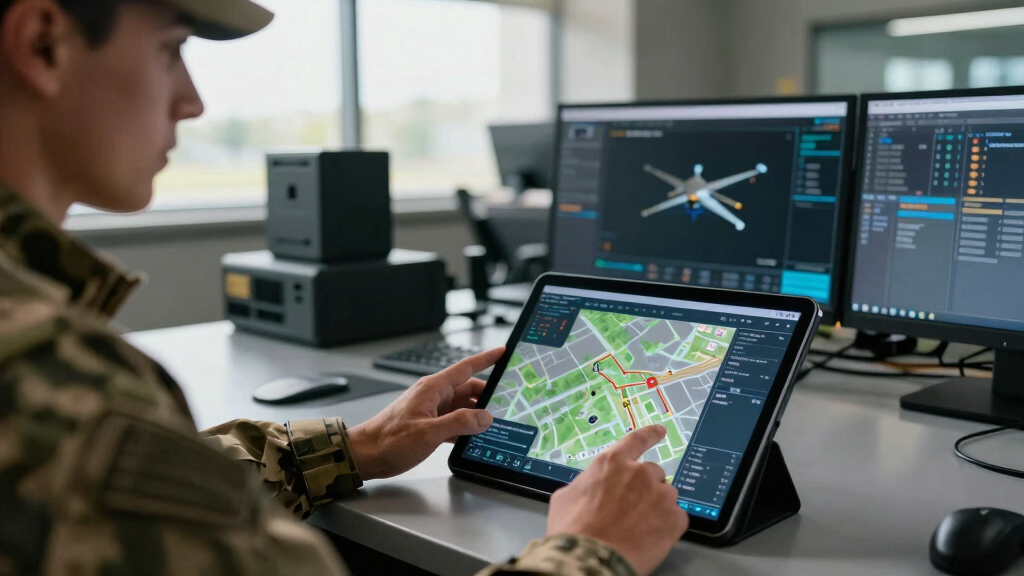
Delta is described as a situational-awareness and battlefield-management system built through Ukraine’s military ecosystem, including Aerorozvidka, the Defense Ministry’s innovation arm and the Ministry of Digital Transformation. The briefing says the platform combines drone feeds, satellite imagery, radar and sensor inputs, partner intelligence and vetted field reports into a common operating picture.
The reported design is central to the story: a cloud-native backend, deliberately hosted outside Ukraine, serves data to ordinary browser clients rather than single-purpose military terminals. The source material says that architecture is intended to keep the system available even if Ukrainian infrastructure is hit by missiles or cyberattacks.
Delta also supports planning, coordination and secure sharing of enemy positions, according to the briefing. The claim is not simply that Ukraine has more sensors, but that it has built a fusion layer able to turn scattered inputs into a shared picture pushed closer to frontline units.
Software-defined warfare: how Ukraine’s Delta turned the battlefield into a shared, real-time map
A soldier opens a browser and sees the fused war — drones, satellites, sensors and vetted reports on one live map. The backend is a cloud deliberately hosted abroad so a missile can’t take it down. The clearest case yet of treating warfare as software.
Optical sensors go blind in cloud & dark; an all-weather SAR radar layer — the kind VigilSAR produces — slots into a picture like this as one resilient, sovereign input. vigilsar.com · And note the paradox: to survive missiles & cyberattack, Ukraine hosted its crown-jewel cloud outside its own borders — trading physical sovereignty for operational survivability. Resilience through distribution.
Delta’s lasting lesson isn’t a piece of software — it’s a model of how to build: commodity clients, cloud backend, open standards, relentless iteration, fusion over hardware, and resilience through distribution. It’s why a wartime NGO out-shipped procurement bureaucracies on a fraction of the budget. The platform mattered less than the picture — and the picture is software. Own the fusion layer, own the sovereign feeds into it, and get it to the edge.
Browser Software Meets Combat Command
The case matters because Delta shifts military advantage away from hardware alone and toward data fusion, software speed and distribution. If the briefing’s account is accurate, Ukraine has shown that a military tool can reach many users by relying on commodity devices and frequent software updates instead of long hardware procurement cycles.
That has consequences beyond Ukraine. NATO militaries and defense buyers are watching systems like Delta because they challenge older, siloed command systems built around vendor-locked equipment. The briefing argues that the key asset is not a single drone or sensor, but the shared battlefield picture that lets units act faster on confirmed information.
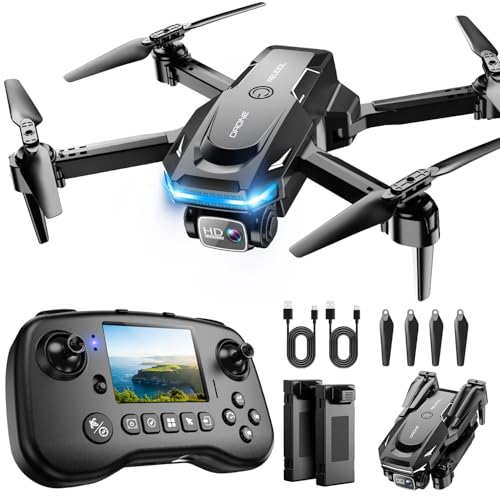
Drone with Camera, Screen on Controller Remote Control Quadcopter FPV Drone
- Built-in HD Screen: Watch live footage without phone
- HD Camera with Adjustable Lens: Capture 1080P videos and selfies
- Easy One-Key Operations: Takeoff, landing, flips, and more
As an affiliate, we earn on qualifying purchases.
As an affiliate, we earn on qualifying purchases.
From NATO Project to Wartime Platform
Delta’s roots are traced in the briefing to a 2017 NATO-linked effort aimed at breaking information hoarding and improving battlefield data sharing. It later became part of Ukraine’s wartime defense-technology push, involving military units, civilian digital officials and volunteer technologists.
The report links Delta to a 2024 CSIS analysis by Vitalii Bondar that used the term software-defined warfare to describe a broader change in military power. The briefing also cites public reporting from outlets including The New York Times, The Washington Post, Militarnyi, BleepingComputer and Ukrainska Pravda.
“The scarce resource was never the sensor; it was the fusion layer.”
— Thorsten Meyer AI ISR Briefing

Kurdistan The Untold Story of Mesopotamia
As an affiliate, we earn on qualifying purchases.
As an affiliate, we earn on qualifying purchases.
Metrics, Connectivity and Cyber Exposure
Several details remain unresolved. The briefing says the 1,500 targets per day figure attributed to Ukraine’s Defense Ministry is not independently verified, and public sources do not fully show how often Delta directly leads to successful strikes or operational decisions.
The platform also carries risks. The source material points to phishing and malware pressure reported in December 2022, the danger of data poisoning in fused or crowdsourced inputs, and dependence on connectivity that can be degraded by jamming. It is not yet clear how these risks are managed across all battlefield conditions.

IoT Sensor Networks with Python : Practical Manual for Monitoring Devices and Collecting Real-Time Data
As an affiliate, we earn on qualifying purchases.
As an affiliate, we earn on qualifying purchases.
Defense Buyers Watch Delta Lessons
The next question is whether Ukraine’s approach becomes a template for allied militaries. Defense ministries are likely to study how Delta balances cloud hosting abroad, open standards, secure data sharing and battlefield usability on commercial hardware.
For Ukraine, the near-term test is continued operation under cyber pressure, jamming and kinetic attack. For NATO and partners, the issue is whether procurement systems can absorb Delta’s lesson: own the fusion layer and move trusted data quickly to the edge.
secure browser-based mapping software
As an affiliate, we earn on qualifying purchases.
As an affiliate, we earn on qualifying purchases.
Key Questions
What is Ukraine’s Delta system?
Delta is a Ukrainian battlefield-management and situational-awareness platform that reportedly fuses drones, satellites, sensors, intelligence feeds and vetted reports into a live map for military users.
Why is Delta described as software-defined warfare?
The term refers to a model where software, data fusion and update speed shape battlefield advantage. In Delta’s case, the briefing says the system runs through a cloud backend and can be accessed through ordinary browsers.
Is the system’s battlefield impact independently confirmed?
Some facts about Delta’s design and role are publicly reported, but several performance claims remain uncertain. The cited 1,500 targets per day figure is described as a Ukrainian Ministry of Defense claim, not an independently verified number.
What are the main risks with this model?
The briefing identifies cyber targeting, possible data poisoning, and reliance on network connectivity as major risks. Those issues matter because a fused battlefield picture is powerful only if users can trust and access it.
Source: Thorsten Meyer AI