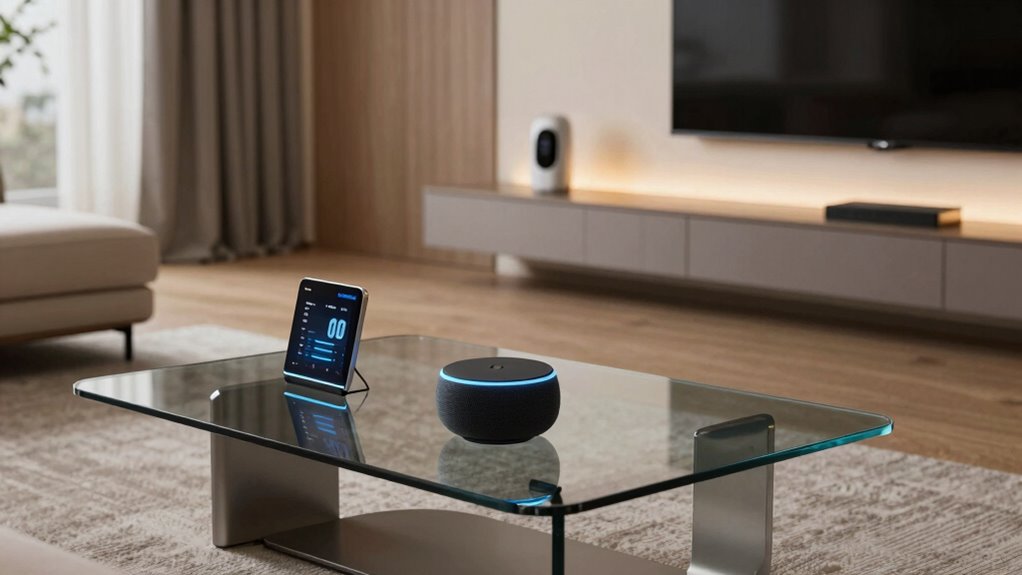

Smart consumer devices show that real innovation creates seamless, interconnected ecosystems that put user experience first. They focus on simplifying daily routines with intuitive controls, personalized features, and voice commands. Privacy and security are equally important, so companies build trust through transparency and strong protections. By balancing convenience with user control, these devices teach us that meaningful innovation combines ease of use with responsible data handling. Explore further to discover how these principles shape future technology.

Prime made for students and young adults
- Fast, free delivery for dorm and study essentials
- Prime Video and Amazon Music included
- Member-only deals
Key Takeaways
- True innovation creates interconnected ecosystems that enhance user experience through seamless device integration and intuitive control.
- Prioritizing user-centric design and adaptability leads to smarter, more convenient devices that simplify daily routines.
- Balancing innovation with transparent privacy controls builds trust and empowers users to manage their data securely.
- Robust security protocols are essential for protecting interconnected devices and maintaining system integrity.
- Effective innovation combines enhanced convenience with strong privacy and security safeguards, fostering user confidence.
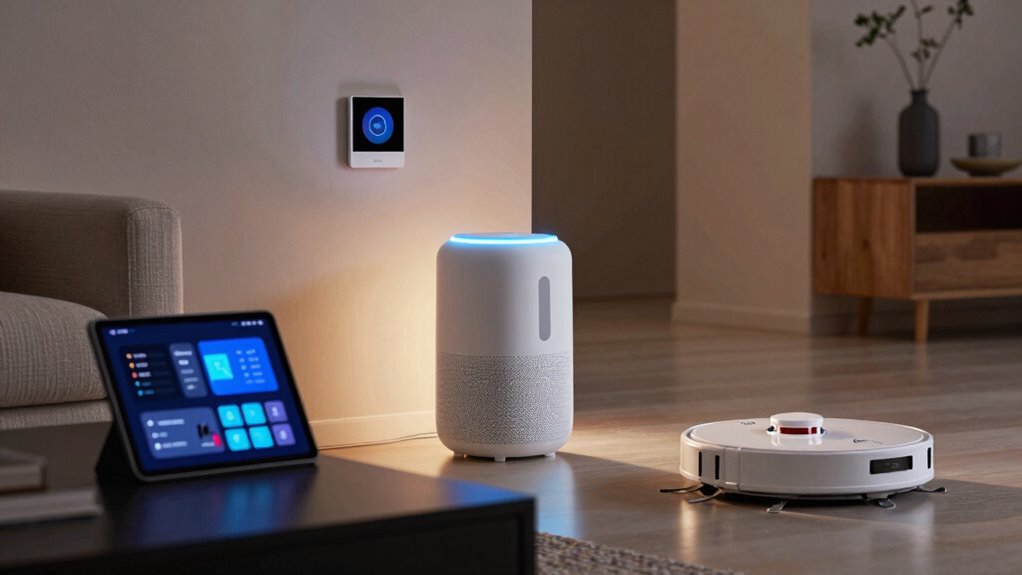
In today’s fast-paced world, smart consumer devices are transforming how you interact with technology and manage everyday tasks. These gadgets aren’t just about convenience; they’re about creating seamless experiences by integrating various functions into a single ecosystem. When you use a smart home system, for example, your lights, thermostat, security cameras, and even your door locks work together smoothly, often controlled through a central app or voice command. This device integration makes daily routines more efficient and intuitive, demonstrating real innovation that prioritizes user experience. However, it also raises important questions about user privacy. As your devices collect more data to deliver personalized services, you need to be aware of how that information is stored, shared, and protected. True innovation in this space isn’t just about adding new features; it’s about balancing convenience with safeguarding your privacy.
You quickly realize that smart devices teach us the importance of designing technology that adapts to your needs without compromising your security. When your voice assistant understands your commands across different devices, it shows how effective device integration can simplify your life. Yet, it also underscores the need for robust privacy controls. If your voice data or usage habits aren’t protected, the convenience turns into vulnerability. The best innovations are those that give you control over your information, allowing you to customize privacy settings easily and transparently. In this way, user privacy becomes an integral part of the innovation process, not an afterthought. Data management is a critical aspect to consider when evaluating the true value of these devices. Additionally, understanding how interconnected devices communicate securely is essential to prevent potential breaches. Moreover, the importance of secure communication protocols cannot be overstated in protecting your data across these interconnected platforms.
Furthermore, these devices teach you that successful innovation hinges on creating ecosystems that are not only interconnected but also secure. When your smart appliances communicate effortlessly, they demonstrate how device integration can enhance efficiency and user satisfaction. But this interconnectedness also makes it crucial to implement strong security measures to prevent breaches or unauthorized access. Companies leading the way understand that innovation involves building trust—trust that your data is protected and your privacy is respected. This focus on privacy and device integration highlights that the most impactful innovations are those that empower you, giving you both convenience and confidence. Additionally, understanding the role of data collection and privacy practices in these technologies is essential to making informed decisions about your digital life.
As an affiliate, we earn on qualifying purchases.
Frequently Asked Questions
How Do Smart Devices Influence Daily Consumer Habits?
Smart devices influence your daily habits by creating automated routines that make tasks easier and more efficient. As you rely on these devices, habit formation occurs, subtly shaping your behavior over time. For example, a smart coffee maker brews your coffee in the morning, reinforcing the routine. This seamless integration encourages consistent habits, demonstrating how technology can subtly guide your daily choices and improve your overall lifestyle.
What Role Does User Feedback Play in Device Innovation?
User feedback plays a pivotal role in device innovation, shaping smarter solutions through sincere suggestions and scrutinized studies. Your insights boost user engagement, guiding developers to balance data privacy with personalized features. By sharing your experiences, you help creators cultivate cutting-edge devices that cater to your needs while respecting privacy. Your voice fuels faster improvements, fostering a feedback-driven cycle that ultimately transforms simple gadgets into smarter, safer, and more satisfying solutions.
Are Smart Devices Sustainable or Environmentally Friendly?
Smart devices can be sustainable and environmentally friendly when designed with energy efficiency and material sustainability in mind. You benefit from lower energy consumption, reducing your carbon footprint, while manufacturers use eco-friendly materials to minimize waste and pollution. By choosing these devices, you support innovation that prioritizes environmental health. Ultimately, smart devices that focus on sustainability help you enjoy advanced technology without compromising the planet’s future.
How Do Privacy Concerns Impact Innovation in Smart Devices?
Privacy concerns act like a gatekeeper, shaping how innovations unfold in smart devices. You realize that data security is essential in maintaining trust, and ethical considerations guide responsible development. When privacy is prioritized, innovation can flourish safely, much like a garden thriving under careful tending. Conversely, neglecting these issues risks stifling progress, making users hesitant. Balancing innovation with privacy safeguards ensures smart devices evolve without compromising your rights or security.
What Industries Benefit Most From Smart Consumer Device Innovations?
You benefit most from industries like healthcare, home automation, and entertainment through smart consumer device innovations. These sectors leverage voice recognition and artificial intelligence to enhance user experience, improve efficiency, and personalize services. For instance, voice-activated assistants help monitor health or control smart homes seamlessly. As these innovations evolve, you’ll find smarter, more intuitive devices transforming daily life, making routines easier and more connected.
As an affiliate, we earn on qualifying purchases.
Conclusion
As you embrace these smart devices, remember they’re more than gadgets—they’re beacons lighting the way to true innovation. They symbolize your potential to shape a smarter, more connected world, where each click and command sparks progress. Let them remind you that innovation isn’t just about technology—it’s about transforming everyday moments into meaningful change. With every new device, you hold the power to turn dreams into reality, guiding you toward a future brighter than ever before.
privacy-focused smart home security
As an affiliate, we earn on qualifying purchases.
As an affiliate, we earn on qualifying purchases.
As an affiliate, we earn on qualifying purchases.
Halloween Picks
halloween
As an affiliate, we earn on qualifying purchases.