
TL;DR

Prime made for students and young adults
- Fast, free delivery for dorm and study essentials
- Prime Video and Amazon Music included
- Member-only deals
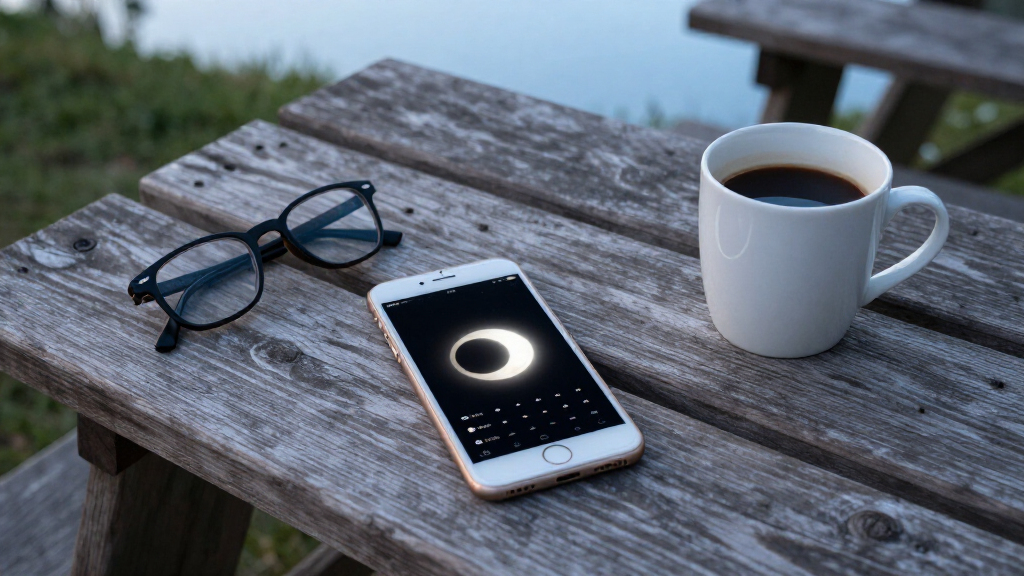
The lunar eclipse will be visible tonight, with the peak occurring around 11:30 p.m. Eastern Time. This event offers a rare viewing opportunity for sky enthusiasts. Details are confirmed, but visibility depends on weather conditions.
The total lunar eclipse is set to occur tonight, with the peak visible around 11:30 p.m. Eastern Time. This astronomical event, visible across North America and parts of South America, offers a rare opportunity for skywatchers to observe the moon turn a deep red, commonly called a blood moon. The timing has been confirmed by NASA and various astronomical observatories, making it a significant event for both amateur and professional sky enthusiasts.
The lunar eclipse will begin at approximately 10:30 p.m. ET, when the Earth’s shadow first starts to cover the moon. The partial eclipse phase will follow, with the moon gradually darkening as it moves into the Earth’s umbra. The total eclipse, when the moon appears blood-red, is expected to reach its peak around 11:30 p.m. ET. The total phase will last about 60 minutes, ending around 12:30 a.m. ET.
Visibility of the eclipse depends on weather conditions; clear skies are necessary for optimal viewing. The event is visible across the eastern United States, with some regions experiencing better visibility than others. For viewers in the West, the eclipse will occur later in the night or early morning hours, with timing varying by location.
Why Tonight’s Lunar Eclipse Matters for Skywatchers
This lunar eclipse is significant because it offers a rare celestial display that can be observed without special equipment, providing a visual spectacle that has attracted interest worldwide. The event is also of scientific interest, as it allows astronomers to study the Earth’s atmosphere and the moon’s surface under unique lighting conditions. For many, witnessing a blood moon is a memorable experience that connects us with the cosmos and highlights the dynamic nature of our solar system.
As an affiliate, we earn on qualifying purchases.
Recent Lunar Eclipses and the Current Celestial Event
Lunar eclipses occur approximately twice a year, when the Earth aligns between the sun and the moon, casting its shadow on the lunar surface. The last total lunar eclipse was visible in May 2022, and the next is expected in October 2023. This event is part of a tetrad, a series of four consecutive total lunar eclipses, which has garnered particular interest among astronomers and the public.
Scientists note that the eclipse’s appearance as a blood moon results from sunlight passing through the Earth’s atmosphere, scattering shorter blue wavelengths and allowing the longer red wavelengths to reach the moon. This natural phenomenon has been observed and recorded for centuries, often linked to cultural and historical significance.
“This is a great opportunity for skywatchers to see a blood moon without any special equipment. Clear skies will enhance the viewing experience.”
— Dr. Emily Carter, Astronomer
moon phase telescope for lunar eclipse
As an affiliate, we earn on qualifying purchases.
As an affiliate, we earn on qualifying purchases.
Factors That Could Affect Visibility Tonight
While the timing of the eclipse is confirmed, visibility depends heavily on local weather conditions. Cloud cover, fog, or rain could obscure the view for many observers. Additionally, light pollution in urban areas might diminish the visual impact, making it more difficult to see the blood moon clearly.
It is also worth noting that different locations will experience the eclipse at slightly different times, and some regions may see only part of the event if weather conditions deteriorate.
As an affiliate, we earn on qualifying purchases.
Upcoming Lunar Eclipses and Viewing Opportunities
Following tonight’s event, the next total lunar eclipse is scheduled for October 2023, visible from parts of the Americas, Africa, and Europe. Astronomers recommend checking local times and weather forecasts in advance to plan for optimal viewing. Amateur skywatchers are encouraged to use binoculars or telescopes for a closer look at the moon’s surface during the eclipse.
In addition to upcoming eclipses, ongoing astronomical phenomena such as meteor showers and planetary conjunctions will continue to provide opportunities for public engagement with astronomy.
As an affiliate, we earn on qualifying purchases.
Key Questions
What time does the lunar eclipse start tonight?
The eclipse begins at approximately 10:30 p.m. Eastern Time, with the peak occurring around 11:30 p.m. ET.
Will I be able to see the blood moon from my location?
Visibility depends on your geographic location and weather conditions. The event is best viewed across North America, with later times for other regions.
Do I need special equipment to see the eclipse?
No special equipment is necessary to see the blood moon, but binoculars or a telescope can enhance the viewing experience.
Why does the moon turn red during a lunar eclipse?
The red color is caused by sunlight passing through Earth’s atmosphere, which scatters blue light and allows red wavelengths to reach the moon, creating the blood moon effect.
Will the eclipse be visible in other parts of the world?
Yes, but the timing and visibility vary by location. People in Europe, Africa, and parts of Asia may see different phases of the eclipse at different times.
Source: google-trends
Halloween Picks
halloween
As an affiliate, we earn on qualifying purchases.