
Indigenous innovation draws on traditional knowledge and community-driven practices to solve modern challenges sustainably. By respecting ecological balance and using time-tested techniques, such as land stewardship and holistic resource management, these solutions promote environmental health and resilience. They emphasize cultural values, collective well-being, and adaptability, blending ancient wisdom with contemporary needs. If you explore further, you’ll discover how these age-old practices continue to inspire effective responses to today’s environmental and societal issues.
Key Takeaways
- Indigenous innovation relies on traditional knowledge and practices to develop sustainable, environmentally friendly solutions tailored to local ecosystems.
- It emphasizes holistic approaches that integrate social, spiritual, and ecological factors, promoting community resilience.
- Knowledge transmitted through oral traditions and lived experiences ensures adaptability and continuity amid modern challenges.
- Indigenous solutions often focus on land stewardship and resource management that maintain ecological balance and biodiversity.
- Combining ancestral techniques with new insights, indigenous innovation addresses contemporary issues like climate change sustainably.
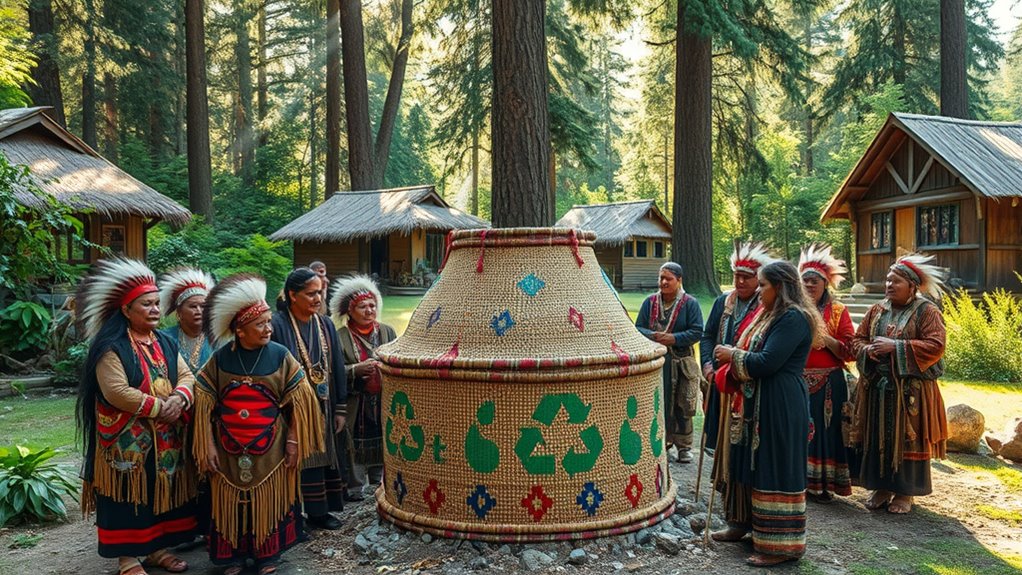
Have you ever wondered how communities develop solutions that are both effective and sustainable? Indigenous innovation offers a compelling answer. It involves creating or improving methods, tools, and practices rooted in traditional knowledge and internal resources. Unlike externally imposed technologies, indigenous innovation emphasizes native approaches that are deeply connected to the community’s heritage. It’s not just about preserving old practices; it’s about adapting and evolving them to meet contemporary challenges while maintaining their cultural significance. This form of innovation is inherently environmentally friendly and sustainable, often contrasting sharply with modern scientific innovations that can prioritize short-term gains over ecological balance.
Indigenous innovation stems from a profound relationship with local ecosystems. Communities that practice it possess a deep understanding of environmental rhythms, seasonal cycles, and natural limits. Their solutions aim to sustain the land and resources over time, integrating land stewardship principles that respect and work in harmony with nature. These approaches challenge the global market-driven mindset by prioritizing local context and ecological health. Instead of exploiting resources for immediate profit, indigenous methods endeavor for holistic solutions that nourish life, maintain biodiversity, and ensure future resilience. This sustainable mindset reflects a long-term vision rooted in cultural values and ecological balance, making it more than just a trend — it’s a way of life.
The wisdom behind indigenous innovation is passed down across generations through oral traditions, storytelling, practices, and lived experiences. Elders serve as essential knowledge keepers, ensuring that traditional problem-solving skills are preserved and adapted over time. This collective wisdom forms a dynamic resource, enabling communities to respond flexibly to new challenges such as climate change, environmental degradation, or social upheaval. Indigenous innovation isn’t static; it evolves, integrating new insights within ancestral frameworks. This ongoing process of knowledge transfer fosters resilience and adaptability, equipping communities to navigate changing conditions without losing their cultural identity.
Furthermore, indigenous innovations adopt a holistic, community-centered approach. They consider social, spiritual, and environmental impacts as interconnected elements of a whole. Solutions respect cultural protocols, values, and collective well-being, emphasizing reciprocity and balance rather than individual profit. These practices influence governance, empowering communities with self-determination and data stewardship aligned with their purposes. They foster a sense of shared responsibility, ensuring that innovations serve the broader community and the environment.
In the face of climate change and external pressures, indigenous communities demonstrate remarkable resilience. They continuously adapt their traditional techniques, blending old and new knowledge to meet modern needs. From fire management to sustainable farming, these innovations exemplify how ancient solutions can address contemporary problems effectively, sustainably, and with cultural integrity. Indigenous innovation reminds us that some of the most powerful answers are rooted in the wisdom of the past, guiding us toward a more balanced and resilient future.
indigenous land stewardship tools
As an affiliate, we earn on qualifying purchases.
As an affiliate, we earn on qualifying purchases.
Frequently Asked Questions
How Can Indigenous Practices Be Integrated Into Modern Technology?
You can integrate indigenous practices into modern technology by collaborating closely with indigenous communities, respecting their knowledge and traditions. Use geospatial tools, satellites, and sensors to enhance traditional land management, farming, and conservation methods. Incorporate their ecological insights into data analytics and AI systems, creating solutions that are culturally appropriate and effective. This partnership not only improves technology’s impact but also empowers indigenous communities to protect their environment sustainably.
What Are Examples of Indigenous Innovations Improving Environmental Sustainability?
You see that Indigenous innovations substantially boost environmental sustainability. You can look at renewable energy projects led by Indigenous communities, replacing diesel with solar, wind, and hydro power. Traditional land and water management practices, like Indigenous fire management and ecological knowledge, help restore ecosystems and prevent wildfires. These approaches promote biodiversity, climate resilience, and sustainable resource use, demonstrating how Indigenous leadership and knowledge create lasting environmental benefits.
How Do Indigenous Knowledge Systems Adapt to Climate Change?
You can see how indigenous knowledge systems adapt to climate change by actively predicting weather patterns and managing resources sustainably. They evolve through generations, incorporating new insights to address environmental shifts. Your community might use traditional water management or ecological practices that respond to changing conditions. By involving local people and respecting their knowledge, you help guarantee these systems remain effective, fostering resilience and ecological balance amid climate challenges.
What Challenges Do Indigenous Communities Face in Sharing Their Innovations?
Imagine you’re in an ancient marketplace, yet today, indigenous communities struggle to share their innovations. You face challenges like weak legal protections, risking biopiracy and misappropriation. You encounter complex licensing, limited market access, and insufficient funding. Without proper infrastructure or capacity, your valuable knowledge remains hidden or undervalued. These barriers prevent you from fully benefiting from your innovations and sharing your solutions with the world.
How Can Policymakers Better Support Indigenous-Led Solutions?
You can better support indigenous-led solutions by creating clear policies that recognize and protect their intellectual property, ensuring they benefit from their innovations. Increase funding through dedicated grants and foster collaborations between communities, research institutions, and government agencies. Promote local networks and knowledge exchange, both traditional and modern. Strengthen legal protections and market access to prevent exploitation, and develop platforms for indigenous entrepreneurs to showcase their innovations, enabling sustainable growth.
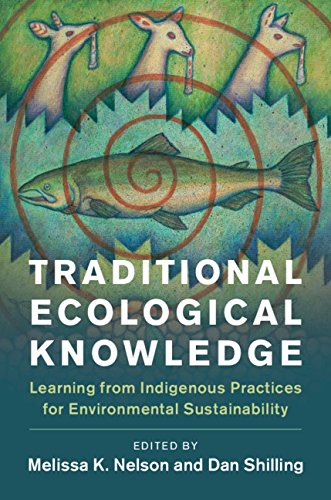
Traditional Ecological Knowledge: Learning from Indigenous Practices for Environmental Sustainability (New Directions in Sustainability and Society)
As an affiliate, we earn on qualifying purchases.
As an affiliate, we earn on qualifying purchases.
Conclusion
By embracing indigenous innovations, you tap into centuries-old solutions that still resonate today. Did you know that over 70% of the world’s emerging medicines are derived from indigenous plants? This statistic shows the immense value of traditional knowledge in solving modern problems. So, next time you face a challenge, consider looking back to ancient wisdom—you might find the perfect, sustainable answer in indigenous practices that have stood the test of time.

Community Voiceworks: The Complete Resource for Community Choirs
As an affiliate, we earn on qualifying purchases.
As an affiliate, we earn on qualifying purchases.

Holistic Management Handbook: Healthy Land, Healthy Profits
- Focus Areas: Agriculture, Land, Business
As an affiliate, we earn on qualifying purchases.
As an affiliate, we earn on qualifying purchases.