
Citizen science platforms empower you to become an active participant in valuable research projects. You can contribute observations on wildlife, climate, and more, helping scientists track trends and uncover discoveries. These platforms make science accessible, fostering a sense of community and shared knowledge. You’ll gain skills and connect with others passionate about the natural world. As you explore these opportunities, you’ll uncover even more ways to make a meaningful impact in scientific innovation.
Key Takeaways
- Citizen science platforms enable individuals to actively participate in data collection, enhancing the scope and depth of scientific research.
- By fostering community engagement, these platforms promote shared knowledge and collective discoveries among diverse participants.
- They provide user-friendly tools and resources that facilitate data sharing and skill development for all experience levels.
- Citizen-contributed data leads to groundbreaking findings and improved understanding of environmental changes over time.
- Participation in citizen science promotes personal well-being through connection with nature and active involvement in scientific endeavors.

Citizen science platforms are transforming how we engage with scientific research and data collection. These platforms invite you to participate in projects that range from monitoring wildlife populations to tracking climate change. By getting involved, you become an integral part of the research process, contributing valuable data that scientists can analyze to draw meaningful conclusions. This hands-on participation not only enhances the quality of research but also fosters a sense of community among those who share a passion for discovery.
Citizen science platforms empower you to actively contribute to research, transforming data collection into a community-driven endeavor.
You might wonder how your contribution can make a difference. Well, every observation you make or sample you collect adds to a larger dataset, often leading to groundbreaking findings. Whether you’re taking part in a bird-counting project or recording the blooming times of flowers in your area, your efforts help scientists understand trends and patterns that might otherwise go unnoticed. This kind of data collection, powered by citizen involvement, amplifies the reach and impact of scientific research.
Public engagement is at the heart of citizen science. When you participate, you’re not just a passive observer; you’re actively contributing to the scientific community. This engagement demystifies the research process and makes science more accessible. You gain insights into how research is conducted, learn about scientific methods, and develop a deeper appreciation for the natural world. Each project offers a unique opportunity to connect with both the science and the community, fostering a culture of collaboration and shared knowledge.
Moreover, citizen science platforms often provide tools and resources to enhance your experience. Many of them offer user-friendly apps and online forums where you can share your experiences, ask questions, and learn from others. This creates a vibrant ecosystem of knowledge exchange, where you can gather tips from experienced citizen scientists or share your findings with newcomers. It’s a space where curiosity thrives, and everyone is encouraged to contribute and learn.
As you set out on this journey of discovery, you’ll find that citizen science platforms are not just about data collection; they’re about empowering you to make a difference. You’re helping to bridge the gap between the scientific community and the general public, ensuring that science remains a collective endeavor. Additionally, engaging in citizen science can also promote wellness and emotional well-being as you connect with nature and your community. So, whether you’re a seasoned researcher or a curious beginner, these platforms open the door to a world of possibilities, allowing you to engage in meaningful work that extends beyond the lab.
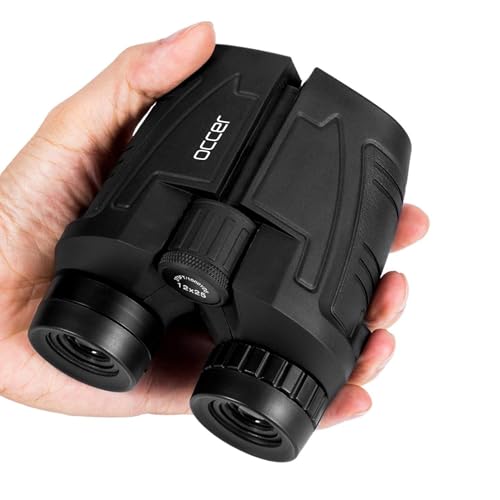
Occer 12×25 Compact Binoculars for Adults and Kids, Large Eyepiece Waterproof Binocular with Low Light Vision,High Powered Easy Focus Binoculars for Bird Watching,Outdoor Hunting,Travel,Sightseeing
【HIGH-POWERED LARGE EYEPIECE BINOCULARS】 This binoculars for adults has 12x magnification, 25mm objective lens and wide field of…
As an affiliate, we earn on qualifying purchases.
As an affiliate, we earn on qualifying purchases.
Frequently Asked Questions
How Can I Start Participating in Citizen Science Projects?
You can start participating in citizen science projects by exploring online platforms like Zooniverse or SciStarter. These sites offer various volunteering opportunities tailored to your interests, whether it’s wildlife monitoring, astronomy, or environmental research. Sign up, choose a project that excites you, and jump right in! You’ll contribute valuable data while learning something new. Plus, you’ll connect with other passionate individuals who share your enthusiasm for science and discovery.
Are There Age Restrictions for Contributing to Citizen Science?
There aren’t strict age restrictions for contributing to citizen science, but project eligibility can vary. Many projects welcome participants of all ages, while some may require parental consent for younger volunteers. It’s essential to check each project’s guidelines to see if there are specific age requirements. Often, you’ll find opportunities tailored for different age groups, so you can engage in meaningful research and learning experiences regardless of your age!
What Skills Do I Need to Contribute Effectively?
To contribute effectively, you need strong collaborative skills, technical expertise, and a willingness to learn. Imagine working with others, sharing ideas, and solving problems together. You’ll also benefit from having some knowledge of data collection methods and analysis techniques. If you’re comfortable using technology and can communicate well, you’ll thrive in these projects. So, embrace teamwork, enhance your skills, and get ready to make a difference!
Can Citizen Science Projects Lead to Professional Opportunities?
Yes, citizen science projects can definitely lead to professional opportunities. By participating, you gain valuable skills and experience that enhance your resume, potentially leading to career advancement. Plus, your contributions can earn you professional recognition within scientific communities or organizations. Networking with professionals in the field can open doors to internships or job offers, as many employers appreciate hands-on experience and a demonstrated commitment to contributing to scientific research.
How Is Data From Citizen Science Projects Validated?
Data from citizen science projects is like a tapestry woven from countless threads. To guarantee its strength, you need quality assurance methods like peer review, expert validation, and cross-referencing with existing databases. By applying rigorous data validation techniques, you can filter out inaccuracies and enhance reliability. This process transforms individual contributions into credible insights, allowing your collective efforts to shine brightly in the scientific community, proving that every stitch counts in the grand design.

Chunful 20 Pcs Animal X-Ray Kit Wildlife X-Ray Flash Cards Educational Science Kit Light Table Toys Accessory, 11.7" x 8.3''(Wild Animals)
Packing List: you will receive 20 wildlife x-ray kits, providing you with a set of vivid biology learning…
As an affiliate, we earn on qualifying purchases.
As an affiliate, we earn on qualifying purchases.
Conclusion
In the grand tapestry of scientific discovery, citizen science platforms weave together your curiosity and creativity with the threads of innovation. By participating in these initiatives, you’re not just a bystander; you’re an essential part of a larger movement. Each contribution you make helps illuminate the unknown, turning questions into answers and ideas into reality. So, immerse yourself and let your voice echo through the corridors of science, sparking change and inspiring others to join the journey!

Elitech GSP-6 Bluetooth Data Logger Temperature Humidity for Refrigerator with Shadow Data 100000 Points Export PDF/CSV Report, Pharmacy Vaccine DDL Calibration Certificate, MAX MIN with Dual Probe
Upgrade from the GSP-6, features Bluetooth functionality for data transfer via Elitech iCold app. It boasts a 3.3-inch…
As an affiliate, we earn on qualifying purchases.
As an affiliate, we earn on qualifying purchases.
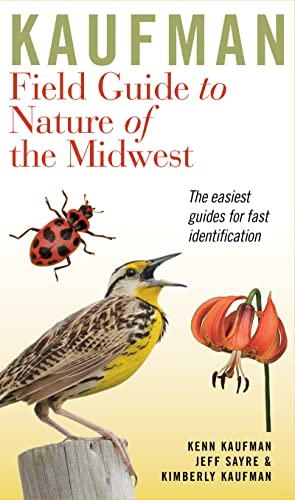
Kaufman Field Guide To Nature Of The Midwest
As an affiliate, we earn on qualifying purchases.
As an affiliate, we earn on qualifying purchases.