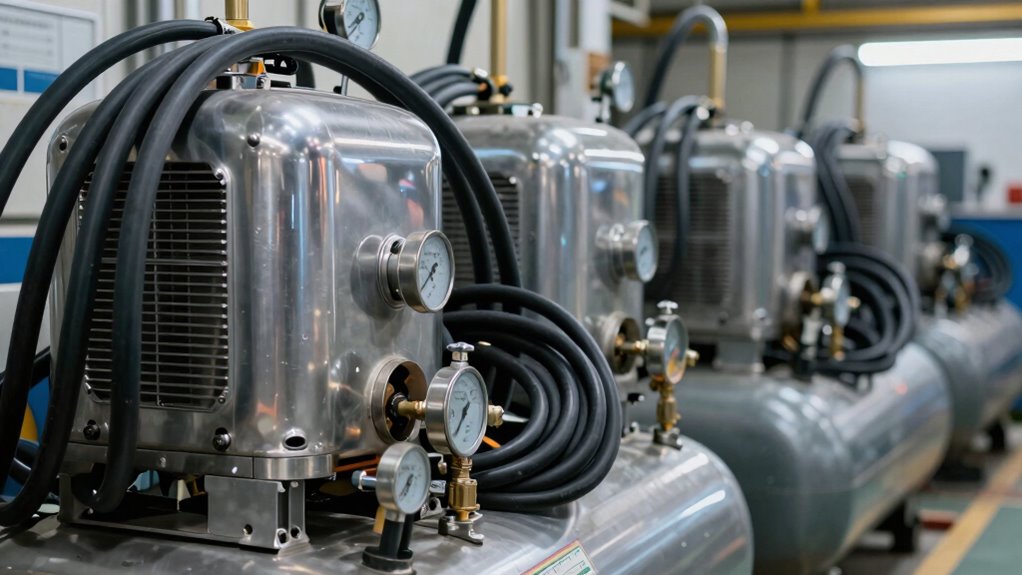

When selecting air compressors for garages, the key factors are capacity, noise level, portability, and power. The Klutch 20-Gallon Air Compressor stands out as the best overall choice due to its large tank and high PSI, perfect for demanding tasks. The VEVOR 13-Gallon Compressor offers quiet operation for those working in shared spaces, while the Craftsman Wall Mount provides excellent portability and space-saving design. Buyers often face tradeoffs between tank size, noise, and price, making it essential to match the compressor to specific garage needs. Continue reading for a detailed breakdown of each option and how they compare.

Get school and study supplies delivered free — and shop member deals
- Fast, free delivery on millions of items
- Access to Prime Big Deal Days deals on October 6–7
- Prime Video, Amazon Music and more included
Key Takeaways
- Tank size significantly impacts how long you can operate tools without frequent refilling, with larger tanks suited for continuous use.
- Noise level varies greatly; quiet models are ideal for shared or noise-sensitive environments, but often come at a higher price.
- Portability features like wheels or wall-mounting can save space in smaller garages, but may limit tank capacity.
- Power and PSI ratings determine the compressor’s ability to handle heavy-duty tasks; higher PSI generally means better performance for demanding tools.
- Oil-free models tend to require less maintenance, but may be less durable than oil-lubricated compressors.


| air compressors for garage | Tank Capacity | Voltage | Maximum Pressure | Weight |
|---|---|---|---|---|
| Klutch 20-Gallon Air Compresso | 20 gallons | 120V | — | — |
| VEVOR 13-Gallon Air Compressor | 13 gallons | 120 volts | 125 psi | 71 pounds |
| Craftsman Wall Mount Air Compr | 0.5 gallons | — | 125 PSI | 20.9 lbs |
| ECOMAX 6 Gallon 150 PSI Pancak | 6 gallons | — | — | 34.17 pounds |
| DEWALT 30-Gallon Vertical Port | 30 gallons | — | — | — |
| ECOMAX Wall Mount Air Compress | — | 120 volts | 125 PSI | 20.9 pounds |
| Campbell Hausfeld 60-Gallon 2- | 60 gallons | 230V | 175 PSI | — |
| VEVOR 6.3 Gallon 2 HP Oil-Free | 6.3 gallons | — | 3.5 MPa | — |
| Craftsman 6 Gallon 150 PSI Oil | 6 gallons | 120V | — | 30.8 lbs |
| Quiet Oil-Free Air Compressor | 5 gallons | — | — | — |
More Details on Our Top Picks
Klutch 20-Gallon Air Compressor, 2 HP, 120V, 175 PSI, 4.2 SCFM at 90 PSI
The Klutch 20-Gallon Air Compressor stands out as a well-rounded choice, offering a reliable combination of power and portability. Its 2 HP motor and 20-gallon tank deliver consistent airflow for a range of garage tasks, from inflating tires to powering pneumatic tools. Compared with the smaller Craftsman wall mount, this model provides greater tank capacity, reducing the frequency of refills during prolonged use. However, the increased size and noise level may be drawbacks for those with limited space or noise sensitivities. Its oil-free pump simplifies maintenance, making it suitable for users seeking straightforward operation. This compressor makes the most sense for DIYers or hobbyists who need dependable performance without sacrificing mobility or ease of use.Pros:- Reliable performance with a powerful 2 HP motor
- Portable design with wheels and ergonomic handle
- Low-maintenance oil-free pump
Cons:- Limited to 20-gallon tank size, which may require frequent pauses for refilling
- Can be noisy during operation, which might disturb a quiet garage
Best for: Home garage owners who need a reliable, portable compressor with sufficient capacity for multiple tasks
Not ideal for: Small workshops or noise-sensitive environments where loud operation could be disruptive
- Tank Capacity:20 gallons
- Motor Power:2 HP
- Voltage:120V
- Maximum PSI:175 PSI
- Flow Rate:4.2 SCFM at 90 PSI
Our verdict“This model is best suited for DIYers needing a versatile, portable compressor with ample airflow capacity.”
VEVOR 13-Gallon Air Compressor, 2HP, Quiet Operation, Oil-Free Tank, 125 PSI
The VEVOR 13-Gallon Air Compressor excels in quiet operation, making it ideal for garages where noise levels matter. Its 66dB noise output is significantly lower than many traditional compressors, including the louder DEWALT 30-Gallon. Despite its smaller 13-gallon tank, it offers rapid air buildup and a maximum pressure of 125 PSI, suitable for auto repairs, painting, or woodworking. The oil-free design reduces maintenance needs, and its portable form factor with rubber wheels makes it easy to move around. The tradeoff is the limited tank capacity, which may require frequent pauses during extended use, and it’s restricted to 120V power, limiting its versatility for higher voltage setups. This makes it a great pick for hobbyists or professionals working in noise-sensitive environments.Pros:- Extremely quiet operation at 66dB
- Fast air buildup in under 3 minutes
- Portable with durable rubber wheels
Cons:- Limited to 13-gallon tank size, less suitable for continuous heavy-duty use
- Restricted to 120V power supply, limiting maximum power in some garages
Best for: Auto repair and auto detail shops, or hobbyists working in noise-sensitive environments
Not ideal for: Heavy industrial use or large-scale commercial applications requiring higher PSI or tank size
- Voltage:120 volts
- Maximum Pressure:125 psi
- Tank Capacity:13 gallons
- Air Flow Capacity:4.6 cfm
- Power:2 hp
- Weight:71 pounds
Our verdict“This compressor is ideal for users needing quiet operation without sacrificing portability or versatility for smaller tasks.”
Craftsman Wall Mount Air Compressor with 8-Piece Accessory Kit, Portable & Quiet, 125 PSI, 1.5 HP
The Craftsman wall-mounted compressor offers a compact, space-saving solution for small garages. Its 0.5-gallon tank and 1.5 HP motor deliver up to 125 PSI, making it suitable for tire inflation, light painting, and pneumatic tool use. Unlike larger, portable models such as the DEWALT 30-Gallon, this unit excels where space is at a premium, thanks to its wall-mount design. Its included 30-foot hose extends reach without cluttering the work area. The limited tank size means it may need frequent refills during continuous tasks, and its 125 PSI max pressure might fall short for demanding jobs. Nevertheless, its lightweight design and comprehensive accessory kit make it appealing for casual or light-duty garage applications.Pros:- Compact, wall-mountable design saves space
- Includes a 30-foot retractable hose and accessory kit
- Quick recovery time with 1.5 HP motor
Cons:- Small tank capacity limits continuous operation
- Maximum pressure of 125 PSI may be insufficient for heavy industrial tasks
Best for: Homeowners with limited space seeking a versatile, wall-mounted compressor for light tasks
Not ideal for: Heavy-duty industrial or continuous use requiring higher tank capacity and PSI
- Maximum Pressure:125 PSI
- Horsepower:1.5 HP
- Tank Capacity:0.5 gallons
- Hose Length:30 feet
- Weight:20.9 lbs
- Certification:ETL
Our verdict“This compressor is perfect for space-constrained garages that need a versatile, light-duty solution.”
ECOMAX 6 Gallon 150 PSI Pancake Portable Oil-Free Air Compressor with Accessories Kit
The ECOMAX 6-Gallon Pancake Compressor makes a compelling choice for those needing portability and quick setup. Its 6-gallon tank and 150 PSI maximum pressure handle inflation, light pneumatic tools, and small household tasks. While its small tank limits continuous operation, its lightweight design and flip-up handle make it easy to carry and store, especially compared to bulkier models like the DEWALT 30-Gallon. Its oil-free pump reduces maintenance, and the included accessories expand its versatility. The tradeoff is that it might not be suitable for demanding or long-duration projects, and the noise level isn’t specified, which could be a concern for noise-sensitive users. Overall, this compressor makes sense for occasional use or mobile tasks around the garage.Pros:- Highly portable with flip-up handle
- Includes a comprehensive accessories kit
- Oil-free, low-maintenance pump
Cons:- Limited to 6-gallon tank size, not suitable for prolonged use
- No noise level specified, which might matter for some users
Best for: Home users needing a portable, light-duty compressor for inflating and small pneumatic tasks
Not ideal for: Heavy-duty or continuous industrial applications requiring larger tanks and higher capacities
- Tank Capacity:6 gallons
- Maximum PSI:150 PSI
- Power:1.5 HP
- Weight:34.17 pounds
Our verdict“This compressor is ideal for occasional, lightweight garage tasks where portability is valued.”
DEWALT 30-Gallon Vertical Portable Electric Air Compressor
The DEWALT 30-Gallon Vertical Compressor offers the highest capacity and power among this lineup, making it suited for demanding garage or shop environments. Its 6.2 SCFM at 90 PSI and maximum pressure of 175 PSI allow for extended use of pneumatic tools, with longer run times than smaller models like the VEVOR 13-Gallon. Its quieter operation—23% quieter than comparable models—reduces noise disturbance, yet its weight and size mean it’s less portable and requires dedicated space. Its robust build and high flow rate justify the tradeoff of reduced mobility, especially for users who need continuous, heavy-duty operation. This model is ideal for serious DIYers or small professional garages that prioritize capacity and performance over portability.Pros:- High maximum pressure of 175 PSI for demanding tasks
- Longer runtime with 6.2 SCFM at 90 PSI
- Quieter operation compared to similar models
Cons:- Heavy and difficult to move without wheels or dedicated space
- Larger footprint requiring more garage space
Best for: Garage owners or small shops needing a high-capacity, heavy-duty compressor with long run times
Not ideal for: Small garages with limited space or users needing a lightweight, portable unit
- Max Pressure:175 PSI
- SCFM at 90 PSI:6.2
- Tank Capacity:30 gallons
- Sound Level:quieter than comparable models
- Portability:Heavy-duty pneumatic wheels
Our verdict“This compressor is best for garages that require continuous, high-capacity pneumatic output with minimal noise disturbance.”
ECOMAX Wall Mount Air Compressor, Tire Inflator, Portable Oil-Free with 30ft Retractable Hose, 125 PSI, 1.5 HP
This wall-mounted compressor stands out for its combination of power and convenience, thanks to a robust 1.5 HP motor and a 125 PSI capacity that can handle tire inflation, nail guns, and even air brushing. Its 30-foot retractable hose adds significant reach, making it ideal for garage setups where mobility is limited. Compared with smaller, portable options like the Craftsman pancake compressor, this model offers greater flexibility but at the cost of increased weight and a noisier operation at 70 dB. The oil-free design reduces ongoing maintenance, which is a plus for DIYers who want quick setup and less fuss. However, its weight of nearly 21 pounds and limited 0.5-gallon tank make it less suited for continuous heavy-duty use without frequent refills, and the noise level might be disruptive in quieter environments.
Pros:- Powerful 1.5 HP motor with high PSI capacity
- Includes a 30-foot retractable hose reel for extended reach
- Oil-free design minimizes maintenance
Cons:- Relatively heavy at nearly 21 pounds, which complicates wall mounting
- Noise level of 70 dB may be loud for some users
- Limited tank capacity requires frequent refilling during heavy use
Best for: Home garage owners needing a versatile, wall-mounted unit for a range of tasks from tire filling to pneumatic tool use.
Not ideal for: Users seeking a lightweight, portable compressor for on-the-go tasks or minimal garage space, due to its weight and mounting requirement.
- Voltage:120 volts
- Maximum Pressure:125 PSI
- Power Source:Corded Electric
- Air Flow Capacity:2.3 cfm
- Tank Volume:0.5 gallons
- Hose Length:30 feet
- Noise:70 dB
- Weight:20.9 pounds
Our verdict“This model makes the most sense for garage owners who want a powerful, space-saving compressor with extended hose reach for varied tasks.”
Campbell Hausfeld 60-Gallon 2-Stage Air Compressor, 175 PSI, 230V
This 60-gallon vertical compressor is geared toward demanding garage and workshop tasks, with a durable two-stage cast-iron pump that supports continuous use. Its high maximum pressure of 175 PSI makes it suitable for large pneumatic tools and prolonged projects, outperforming smaller models like the VEVOR 6.3-gallon unit in capacity and endurance. The oil-lubricated design ensures long-term durability, but it requires a dedicated 230V power supply and is quite heavy, which limits mobility. Its footprint is compact for its capacity, but the weight and power requirements mean it’s best for serious users who can accommodate its installation. The absence of noise specifications suggests it could be loud, typical of high-capacity industrial-style compressors.
Pros:- Large 60-gallon tank supports extended use
- High maximum pressure of 175 PSI for demanding tools
- Durable cast-iron, two-stage pump ensures longevity
Cons:- Requires a dedicated 230V outlet, complicating setup
- Heavy and less portable, difficult to move once installed
- Potentially loud, though noise level isn’t specified
Best for: Professional garage owners and serious DIYers who need continuous operation and high PSI for large-scale projects.
Not ideal for: Home hobbyists with limited electrical capacity or those needing portable solutions, due to its size and power demands.
- Tank Capacity:60 gallons
- Maximum Pressure:175 PSI
- Voltage:230V
- Motor Power:3.7 HP
- Pump Type:Two-stage cast-iron pump
- Dimensions:23 x 23 inches
Our verdict“This compressor best suits those who need a reliable, high-capacity unit for continuous, heavy-duty garage work, accepting its size and power requirements.”
VEVOR 6.3 Gallon 2 HP Oil-Free Air Compressor, Max 116 PSI
The VEVOR 6.3-gallon compressor offers a solid balance of power and quiet operation, with a 2 HP motor capable of delivering 3.35 CFM at 90 PSI. Its oil-free design makes it low maintenance, suitable for a variety of pneumatic tools and inflation jobs. Compared with the smaller Craftsman pancake compressor, this VEVOR unit provides a higher airflow capacity, supporting more demanding tasks while maintaining noise levels around a quiet 70 dB. It’s built to resist rust and wear, but the limited tank size means it’s less suited for continuous, heavy-duty use over long periods. No portability features are specified, which could be a drawback for users needing mobility in a busy garage environment.
Pros:- Powerful 2 HP motor for versatile use
- Quiet operation at about 70 dB
- Rust and wear-resistant construction
Cons:- Limited tank capacity for continuous heavy-duty work
- Lack of portability features may restrict placement options
Best for: Garage owners who want a durable, quiet compressor capable of handling multiple pneumatic tools without frequent refills.
Not ideal for: Users who require a large tank for extended use or heavy industrial applications, due to its small 6.3-gallon capacity.
- Tank Capacity:6.3 gallons
- Max PSI:116 PSI
- Motor Power:1450W
- Air Delivery:3.35 CFM at 90 PSI
- Maximum Pressure:3.5 MPa
- Noise Level:68 dB
Our verdict“This compressor provides a great compromise of power, quietness, and durability for those with a moderate garage workload and space constraints.”
Craftsman 6 Gallon 150 PSI Oil-Free Pancake Air Compressor
The Craftsman pancake compressor is a compact, lightweight choice ideal for small garages and light-duty tasks, supporting up to 150 PSI and a 6-gallon tank. Its portable design — weighing just over 30 pounds — makes it easy to move around, especially for DIY projects or automotive work that requires occasional use. Compared to larger models like the Campbell Hausfeld, it’s less suited for continuous or demanding industrial tasks but excels in convenience and quick setup. The oil-free motor simplifies maintenance, but the limited 6-gallon capacity and maximum pressure of 150 PSI might fall short for more serious or prolonged professional projects. It’s best for users who prioritize mobility over capacity.
Pros:- Lightweight and portable for easy transport
- Oil-free design reduces maintenance
- Supports up to 150 PSI for most home tasks
Cons:- Limited 6-gallon tank restricts long continuous use
- Maximum pressure of 150 PSI may be insufficient for some professional needs
Best for: Home mechanics and DIY enthusiasts needing a portable, easy-to-store compressor for occasional tasks.
Not ideal for: Heavy industrial or continuous-use applications where larger tanks and higher PSI are needed, due to its limited capacity.
- Tank Capacity:6 gallons
- Max Pressure:150 PSI
- Horsepower:1.0 HP
- Voltage:120V
- Weight:30.8 lbs
- SCFM at 90 PSI:2.6
Our verdict“This compressor suits DIYers and hobbyists who need portability and quick setup for light garage work, accepting its limited capacity for heavier tasks.”
Quiet Oil-Free Air Compressor, 68 dB, 2.8 CFM @ 90 PSI, 5 Gallon Tank
This compressor excels in environments where noise matters, operating at just 68 dB while delivering 2.8 CFM at 90 PSI from a 5-gallon tank. Its oil-free design ensures low maintenance, and the quick recovery time of 25 seconds boosts efficiency during extended use. Compared to the noisier Campbell or larger tank units, this model offers a quieter experience suitable for professional garages and shared spaces. The 5-gallon tank limits continuous operation under heavy loads, but for most DIY and light professional tasks, it strikes a good balance. Its included accessories make it ready for immediate use, though users should note the slightly lower airflow capacity for demanding applications.
Pros:- Extremely quiet at 68 dB, ideal for shared spaces
- Fast recovery time of 25 seconds
- Low maintenance with oil-free design
Cons:- Limited 5-gallon tank for continuous heavy use
- Less power for demanding industrial tasks
Best for: Garage professionals and serious DIYers who need a quiet, reliable compressor for frequent, low-noise operation.
Not ideal for: Heavy-duty industrial tasks or prolonged continuous use requiring larger tanks and higher airflow, due to its smaller 5-gallon tank.
- Tank Capacity:5 gallons
- Power:1.2 HP
- CFM at 90 PSI:2.8
- Maximum PSI:90
- Noise Level:68 dB
- Recovery Time:25 seconds
Our verdict“This compressor makes sense for users prioritizing quiet operation and professional-grade results in a garage environment, with some capacity tradeoffs.”

How We Picked
These products were selected based on their performance, durability, usability, and value for garage use. Priority was given to compressors that balance power and portability, with a focus on features relevant to typical garage tasks such as tire inflation, painting, and tool operation. We considered tank capacity, PSI, CFM ratings, noise levels, and ease of maintenance. The ranking reflects how well each model meets the needs of a typical garage environment, weighing factors like longevity, convenience, and price to determine overall suitability.Factors to Consider When Choosing Air Compressors For Garages
Choosing the right air compressor for your garage involves understanding several key factors. The right model depends on your specific needs—whether you prioritize power, quiet operation, portability, or budget. Making the wrong choice can mean frequent refills, excessive noise, or paying for features you don’t need. Let’s explore the main considerations that will help you select a compressor that fits your workspace and projects perfectly.Tank Size and Capacity
Tank size directly affects how long you can run air tools without interruption. Larger tanks, such as 20 or 30 gallons, are better for continuous use or heavier tasks like spray painting or operating impact wrenches. Smaller tanks, like 6 or 8 gallons, are more portable and suitable for quick jobs or light maintenance. Keep in mind that bigger tanks often come with increased weight and space requirements, so balance capacity with your garage’s space and mobility needs.
Power and PSI Ratings
Power, typically measured in horsepower (HP), and maximum PSI determine the compressor’s ability to handle demanding tasks. Most garage tools operate efficiently around 90-125 PSI; higher PSI ratings mean the compressor can deliver more air quickly. However, higher PSI often results in a larger motor or more robust build, which can increase cost and energy consumption. Match these specs to your most frequently used tools to avoid overpaying for unnecessary power or struggling with underpowered units.
Noise Levels
Garage environments vary, and noise can be a significant concern, especially in shared spaces or apartments. Quiet models, operating at 68-75 dB, are more comfortable for extended use but tend to cost more. If noise isn’t a primary concern, standard models with louder operation may save money, but they might be disruptive. Consider your workspace and whether noise reduction features justify a higher price point.
Portability and Space-Saving Features
Portability features like wheels, handles, or wall-mounting options make a big difference in small garages or workshops with limited space. Wall-mounted compressors free up floor space but often have smaller tanks. Portable units with wheels are more versatile but may be bulkier. Think about how often you need to move or store your compressor to select a design that matches your workflow.
Maintenance and Durability
Oil-free compressors require less maintenance and are cleaner to operate, making them ideal for casual or hobbyist use. However, they may not last as long under heavy-duty conditions compared to oil-lubricated models. Oil-lubricated compressors are generally more durable and suitable for frequent, intensive tasks but demand regular oil changes. Evaluate your usage frequency and maintenance willingness when choosing between these options.
Frequently Asked Questions
Can I run my air tools continuously with a smaller tank compressor?
Running air tools continuously with a small tank compressor is challenging because the tank’s capacity limits how long you can operate before the compressor needs to refill. For frequent or prolonged use, a larger tank or a higher CFM rating is preferable. Smaller tanks are better suited for intermittent tasks or quick jobs, where brief bursts of compressed air suffice. Otherwise, you risk running out of air mid-task, which can slow down your work and increase wear on the compressor.
Is a quieter compressor worth the extra cost?
Quiet compressors are often more expensive but can significantly improve your working environment, especially if you work in a shared space or have noise-sensitive neighbors. They reduce fatigue and make it easier to communicate or listen while working. If noise isn’t a primary concern, saving money with louder models might be reasonable, but for frequent or long sessions, the comfort of a quieter unit can justify the higher price.
How important is portability for garage air compressors?
Portability is crucial if your garage space is tight or if you need to move the compressor around frequently. Features like wheels, handles, or wall mounts help optimize space and adapt to different tasks. However, portable units tend to have smaller tanks and lower CFM ratings, which could limit their performance for heavy-duty tasks. Consider your workspace layout and typical use cases to balance portability with capacity.
Should I choose an oil-free or oil-lubricated compressor?
Oil-free compressors require less maintenance and are generally cleaner and more convenient for casual garage use. They’re ideal if you want a low-hassle, ready-to-go unit. Oil-lubricated models tend to last longer and handle heavy-duty, continuous use better, but they demand regular oil changes and maintenance. Your choice depends on how often and how intensively you plan to use the compressor, and whether maintenance is a concern.
What is the best size tank for a typical garage workshop?
For most garage workshops, a tank size between 20 and 30 gallons offers a good balance between capacity and mobility. This range provides enough air for common tasks like tire filling, painting, or light tool operation without being overly bulky. Smaller tanks, such as 6 or 8 gallons, are suitable for quick jobs but may require frequent refills. Larger tanks, like 60 gallons, are better for very demanding projects or professional use, but they can be impractical for small or shared garages.
Conclusion
For most hobbyists or DIY enthusiasts, the Craftsman Wall Mount Air Compressor offers a compact, space-efficient solution with enough power for typical garage tasks. The Klutch 20-Gallon stands out as the best all-around option for those needing higher capacity and versatility. Budget-minded buyers should consider the VEVOR 13-Gallon Compressor for quiet operation without breaking the bank. For professionals or heavy-duty use, the Campbell Hausfeld 60-Gallon provides unmatched durability and continuous power. Beginners or casual users should prioritize models with lower maintenance and noise, while experienced users might focus on capacity and power ratings to match their tools’ demands.
Halloween Picks
halloween
As an affiliate, we earn on qualifying purchases.