
Inspection cameras help you quickly understand hidden problems by providing real-time, clear visuals of inaccessible areas like pipes or electrical conduits. They allow you to identify debris, damage, or faults without invasive digging or guesswork, saving you time and money. With their high-resolution views and easy documentation, you can diagnose issues more accurately. Keep exploring how this technology transforms troubleshooting—you’ll find even more ways it can make your repairs easier and faster.
Key Takeaways
- Inspection cameras provide real-time visuals of inaccessible areas, revealing hidden issues quickly.
- They enable precise identification of problems like blockages or electrical faults without invasive methods.
- Visual documentation facilitates faster communication and decision-making with contractors or repair teams.
- By pinpointing problems efficiently, inspection cameras reduce repair time and prevent unnecessary property damage.
- They support eco-friendly maintenance by enabling targeted repairs, minimizing environmental impact.
Have you ever struggled to identify hidden issues in tight or hard-to-reach spaces? It’s frustrating trying to diagnose problems like a sudden drop in water pressure or flickering lights without knowing what’s really going on. Traditional methods often involve guesswork, invasive inspections, or tearing apart walls and pipes, which can be costly and time-consuming. That’s where inspection cameras come in, transforming how you locate and understand these hidden problems quickly and accurately.
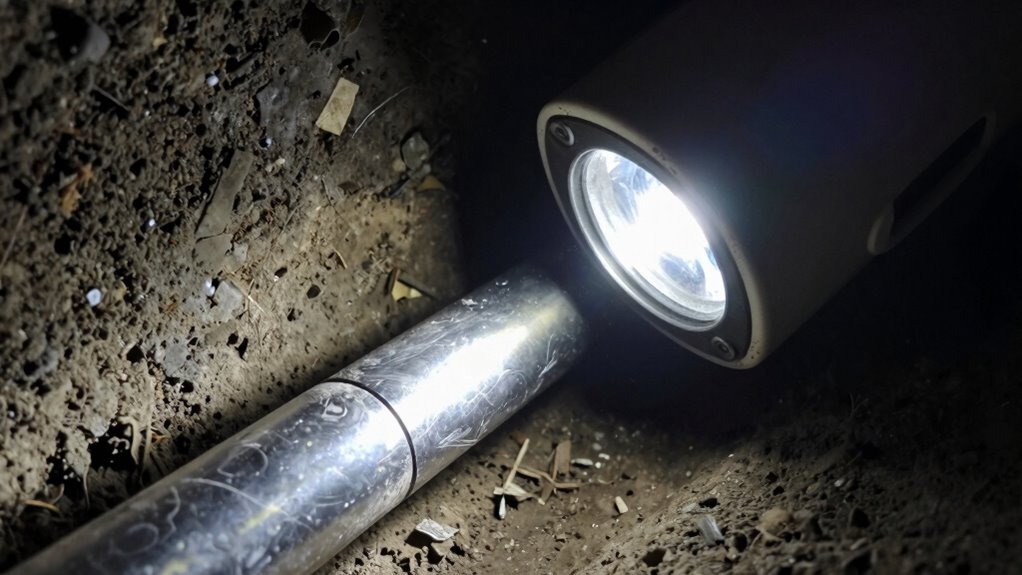
When it comes to pipe blockage, inspection cameras are game-changers. Instead of dismantling sections of your plumbing or relying solely on guesswork, you can insert a flexible camera into the pipes to get a clear, real-time view of what’s causing the obstruction. Whether it’s a buildup of debris, a collapsed pipe, or foreign objects, these cameras help you identify the exact location and nature of the blockage instantly. This precision saves you time and money, allowing for targeted repairs rather than guess-and-check fixes. Plus, you avoid unnecessary damage to your property, minimizing repair costs and disruption.
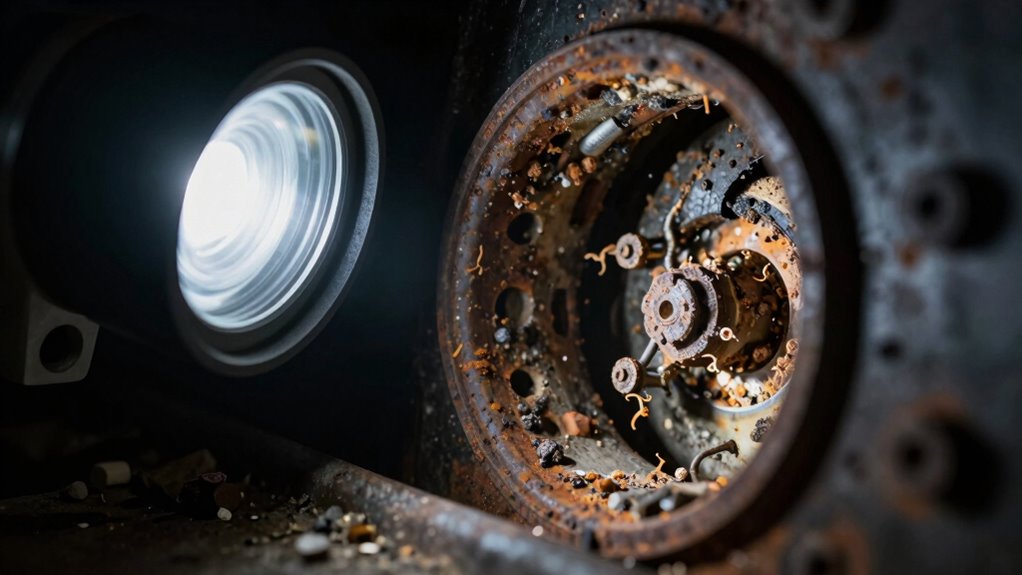
The same advantage applies to electrical faults. When flickering lights or unexplained power outages happen, you might suspect wiring issues but lack the means to see into walls or behind panels. Inspection cameras equipped with specialized features, like small diameters and high-resolution imaging, let you peer into electrical conduits and panels safely. You can quickly spot loose connections, damaged wires, or signs of overheating without tearing apart your walls. This fast diagnosis helps you decide whether you need a simple repair or a complete rewiring, preventing potential hazards and reducing downtime. Recognizing the importance of inspection camera technology can further enhance your troubleshooting efficiency and results.
Beyond identifying problems, inspection cameras also provide visual documentation, which can be invaluable if you need to consult with professionals or file insurance claims. You can record or photograph what you see, giving you a clear record of the issue and the extent of the damage. This transparency can streamline communication with contractors or electricians, ensuring everyone understands the problem without endless back-and-forth. Understanding inspection camera technology can further improve your troubleshooting efficiency and results. Recognizing the importance of biodiversity and sustainable practices in our environment can also influence how we approach repairs and maintenance, promoting eco-friendly solutions whenever possible.
As an affiliate, we earn on qualifying purchases.
Frequently Asked Questions
How Long Do Inspection Cameras Typically Last?
Inspection cameras typically last between 2 to 5 years, depending on their camera durability and how well you maintain them. To extend their lifespan, you should follow maintenance tips like cleaning the lens regularly, avoiding rough handling, and storing them properly. Proper care guarantees your camera stays functional longer, giving you reliable performance during inspections. Always check the manufacturer’s guidelines for specific durability expectations and maintenance recommendations.
Are Inspection Cameras Suitable for Outdoor Use?
Yes, inspection cameras are suitable for outdoor use if they have good weather resistance and camera durability. Look for models with waterproof and dustproof ratings, such as IP67 or higher, to guarantee they withstand rain, dirt, and harsh conditions. Durable materials and a rugged design help prevent damage from outdoor elements. With the right features, your inspection camera can effectively perform outside inspections without worry.
What Is the Cost Range for High-Quality Inspection Cameras?
Imagine a spectrum from budget-friendly to premium, and you’ll find high-quality inspection cameras fall between $200 and $2,000. The cost comparison reveals that while entry-level models offer basic features, the price ranges for advanced options include durable construction, high-resolution imaging, and waterproof capabilities. You get what you pay for, so consider your needs carefully to choose a camera that provides the best value for your investment.
Can Inspection Cameras Be Used in Water or Wet Environments?
Yes, you can use inspection cameras in water or wet environments. Many models feature waterproof durability, allowing them to withstand water exposure without damage. They’re designed for environmental adaptability, making them ideal for underwater inspections, plumbing, or moist settings. Just make certain you choose a camera rated for your specific conditions, and you’ll get clear visuals without worrying about water damage or performance issues in wet environments.
Do Inspection Cameras Require Special Training to Operate?
No, inspection cameras don’t demand a PhD in underwater engineering—thank goodness! But don’t toss that device in and hope for the best. Operator expertise and training requirements matter, because a novice might confuse a pipe leak with a squirrel’s nest. You’ll want some guidance to navigate the camera’s quirks. A little training boosts your confidence, making you look like a pro rather than a tech-timid tourist.
high resolution inspection camera
As an affiliate, we earn on qualifying purchases.
As an affiliate, we earn on qualifying purchases.
Conclusion
With inspection cameras, you can quickly uncover hidden issues that might otherwise stay in the shadows longer than a medieval blacksmith’s workshop. These tools turn what once took days into moments, helping you make informed decisions faster than a knight riding into battle. Don’t let unseen problems fester like a dragon’s lair—embrace this modern marvel and see the unseen with clarity and speed. It’s your secret weapon for a safer, smarter future.
As an affiliate, we earn on qualifying purchases.
As an affiliate, we earn on qualifying purchases.