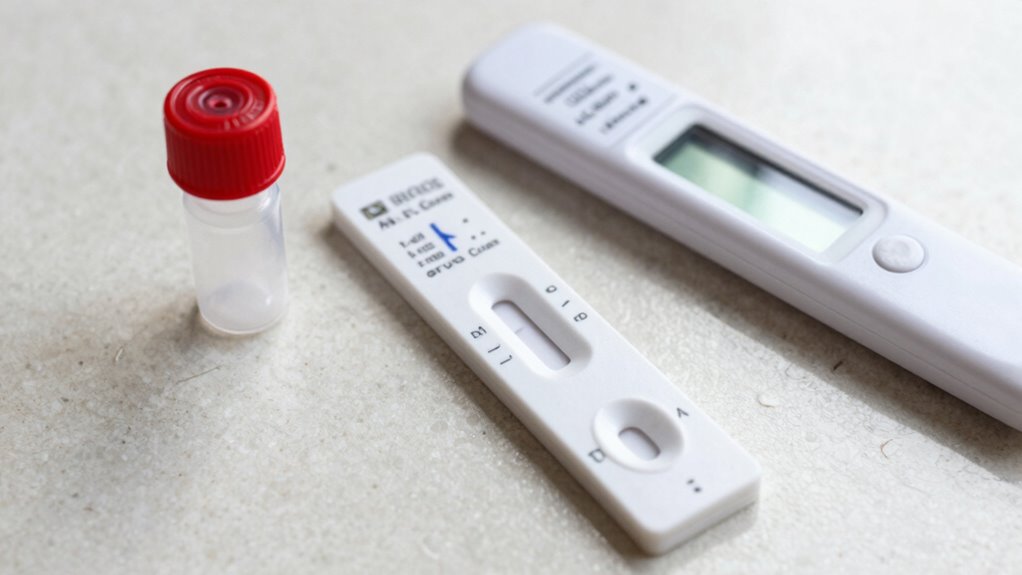

At-home tests can reliably reveal details about your ancestry, genetic traits, and certain health risks when you follow instructions carefully and handle samples properly. Accuracy depends on sample quality, proper sealing, and avoiding contamination. While these tests provide useful insights, they aren’t perfect and don’t predict future health outcomes. Being aware of their limits helps you interpret results wisely. If you keep exploring, you’ll find more about what makes these tests effective and their potential limitations.
Key Takeaways
- At-home tests can reliably provide insights into ancestry, traits, and certain health predispositions when samples are properly collected.
- Results are generally accurate for specific genetic traits, but should be interpreted with caution due to technological limitations.
- Proper sample collection and handling are crucial to ensure the reliability of at-home DNA tests.
- These tests can identify inherited traits and genetic risks but do not predict future health outcomes precisely.
- They are useful for gaining partial genetic insights, but environmental factors are not accounted for in results.
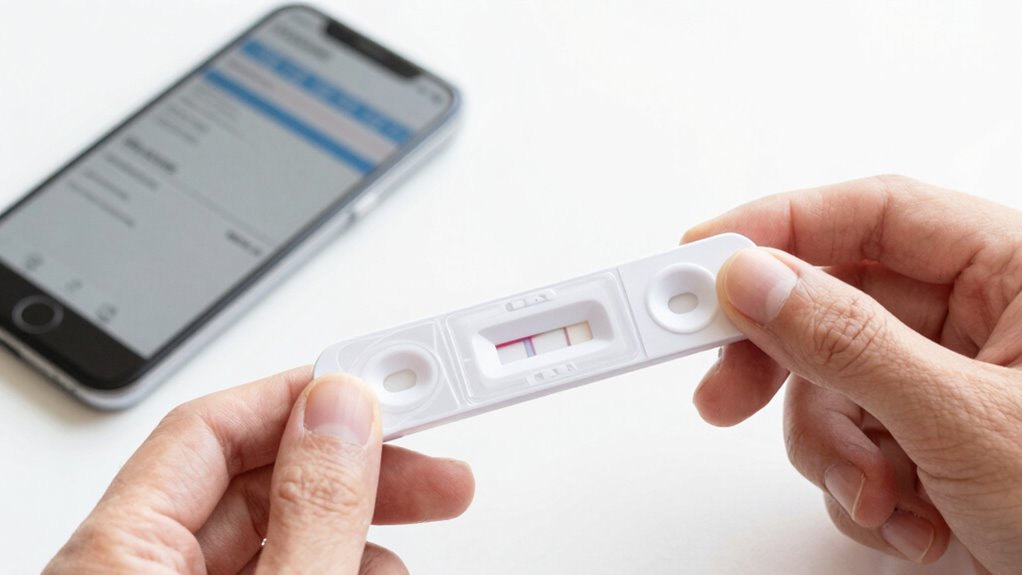
At-home testing has become increasingly popular, offering a convenient way to check your health without visiting a clinic. These tests are designed to be straightforward, but it’s essential to understand what they can reliably tell you. When it comes to genetic precision, many at-home tests excel in providing insights into your DNA, such as ancestry, inherited traits, or predispositions to certain health conditions. However, their genetic accuracy isn’t foolproof. Factors like the quality of the sample and the technology behind the test can influence how exact the results are. While most reputable companies use advanced methods to analyze your DNA, no test can guarantee 100% accuracy in every case. It’s also worth noting that genetic results are only a piece of the puzzle; they don’t predict the future or account for environmental factors affecting your health.
User error is a significant consideration when it comes to at-home testing. Many results depend heavily on how carefully you follow the instructions. Simple mistakes, like not collecting enough sample material or contaminating the sample, can lead to inaccurate or inconclusive results. For example, if you don’t seal a swab properly or delay sending the sample to the lab, it can compromise the integrity of your test. That’s why reading and adhering strictly to the instructions is vital. While these tests are designed to be user-friendly, they still require a level of precision that, if ignored, can affect the reliability of your results. Misinterpreting instructions or rushing through the process increases the risk of user error and reduces the test’s overall accuracy. Additionally, sample quality can significantly influence the outcome, emphasizing the importance of proper collection techniques. Paying attention to sample handling can help ensure more consistent results. Moreover, understanding the limits of at-home testing technology can help set realistic expectations for what these tests can achieve. Being aware of the accuracy of at-home diagnostic tools can further assist in understanding how much confidence to place in the results.
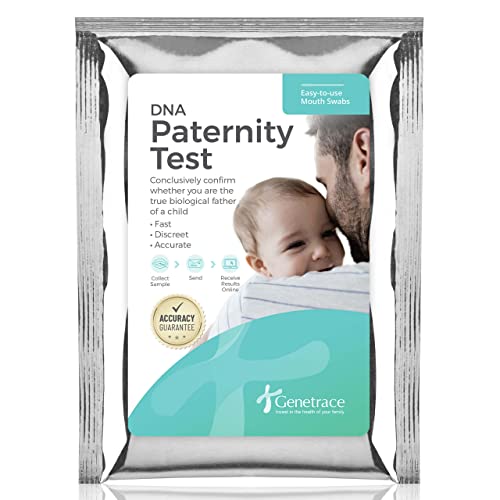
Genetrace DNA Paternity Test Kit – Lab Fees & Shipping Included – At Home Collection Kit for Father and Child – Results in 1-2 Days
ABOUT THE TEST: The Genetrace DNA Paternity Test helps families conclusively determine if a man is the true…
As an affiliate, we earn on qualifying purchases.
As an affiliate, we earn on qualifying purchases.
Frequently Asked Questions
Can At-Home Tests Replace Professional Medical Diagnoses?
At-home tests can’t fully replace professional medical diagnoses. While they offer privacy and convenience, they might not be as accurate or complete, which could lead to misunderstandings or missed conditions. You should consider the emotional impact of uncertain results and consult a healthcare professional for confirmation or further testing. Trusting a professional ensures you get a thorough evaluation and proper treatment, reducing risks associated with false negatives or positives.
How Accurate Are At-Home Genetic Testing Kits?
At-home genetic testing kits are fairly accurate for certain traits and ancestry, but their test accuracy varies depending on the provider. Keep in mind, genetic privacy is a concern, as your data might be shared or stored. While these tests can offer valuable insights, they shouldn’t replace professional medical advice, especially for health-related decisions. Always review the company’s privacy policies and understand the limitations of at-home genetic testing.
Are At-Home Tests Covered by Insurance?
At-home tests are rarely covered by insurance, so you usually pay out of pocket. Insurance coverage options vary, but most plans don’t include coverage for these tests, making cost considerations important. Some health savings accounts or flexible spending accounts might help offset expenses. Before purchasing, check with your insurance provider to understand your coverage options and potential costs, ensuring you’re making an informed financial decision.
What Are Common Reasons for False Positives or Negatives?
About 1 in 20 at-home tests can give false results, often due to test sensitivity issues or false result factors like improper sample collection. False positives may occur if the test reacts to other substances, while false negatives usually happen if you test too early or don’t follow instructions carefully. To reduce errors, follow the instructions closely and consider confirmatory testing, especially if symptoms persist.
How Should I Interpret Inconclusive Test Results?
If your test results are inconclusive, don’t panic. Focus on understanding the test result clarity; it indicates that the test didn’t give a definitive answer. Your next step should be follow-up testing, preferably through a healthcare professional, to get a clearer diagnosis. Keep track of your symptoms and consult with a healthcare provider to determine the most appropriate next steps for accurate results.

AncestryDNA + Traits Genetic Test Kit: Personalized Genetic Traits, DNA Ethnicity Test, Origins & Ethnicities, Complete DNA Test, Ancestry Reports
TOP-SELLING CONSUMER DNA TEST: From your origins in over 3,600+ places around the world to the most connections…
As an affiliate, we earn on qualifying purchases.
As an affiliate, we earn on qualifying purchases.
Conclusion
At-home testing offers a convenient way to monitor your health, but it’s important to know its limitations. For example, some tests have over 95% accuracy, yet false negatives can still occur. So, while these tests are useful tools, they shouldn’t replace professional medical advice. Remember, using at-home tests properly can empower you to stay informed and proactive about your health—just don’t forget to follow up with your healthcare provider for confirmation and guidance.
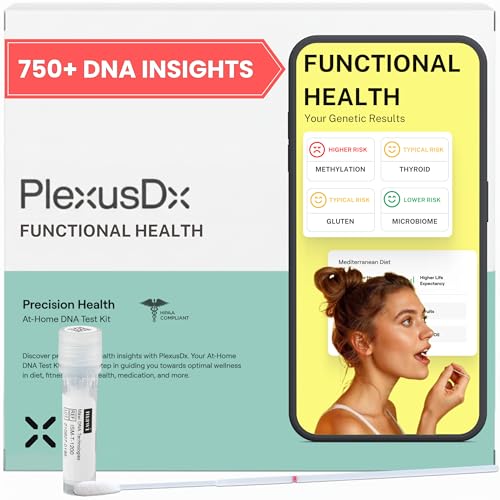
Genetic Methylation Test & Functional Health DNA Test | 750+ DNA Reports Including MTHFR, Cardiovascular, Nutrition, Gut Health, Hormones, Microbiome | Supplement & Diet Recommendations
WHAT YOU GET: DNA reports related to Cardiovascular Health, Liver, Gallbladder, Thyroid, Gut Health, Digestive Issues, Gallstones, Constipation,…
As an affiliate, we earn on qualifying purchases.
As an affiliate, we earn on qualifying purchases.
Genetrace DNA Paternity Test Kit – Lab Fees & Shipping Included – At Home Collection Kit for Father and Child – Results in 1-2 Days
ABOUT THE TEST: The Genetrace DNA Paternity Test helps families conclusively determine if a man is the true…
As an affiliate, we earn on qualifying purchases.
As an affiliate, we earn on qualifying purchases.