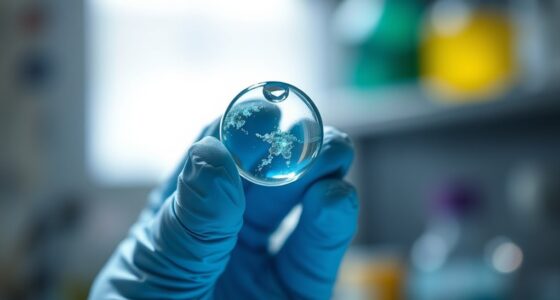
Water tech is becoming a major innovation frontier as it uses sensors and real-time data to optimize purification and reduce waste. Advances like membrane desalination and renewable energy make freshwater access more sustainable and affordable. Digital integration enhances system resilience, while conservation strategies help minimize plastic waste and reliance on bottled water. If you continue exploring, you’ll discover how these innovations are transforming water management and creating a more sustainable future for everyone.
Key Takeaways
- Advanced sensors and real-time data optimize water purification, improving efficiency and reducing waste.
- New membrane technologies and renewable energy integration make desalination more sustainable and affordable.
- Digital and sensor integration enable smarter, resilient water management systems adaptable to climate change.
- Water conservation strategies driven by innovative technologies promote resource efficiency and reduce plastic waste.
- These innovations ensure reliable, safe water access, supporting sustainable development in water-scarce regions.
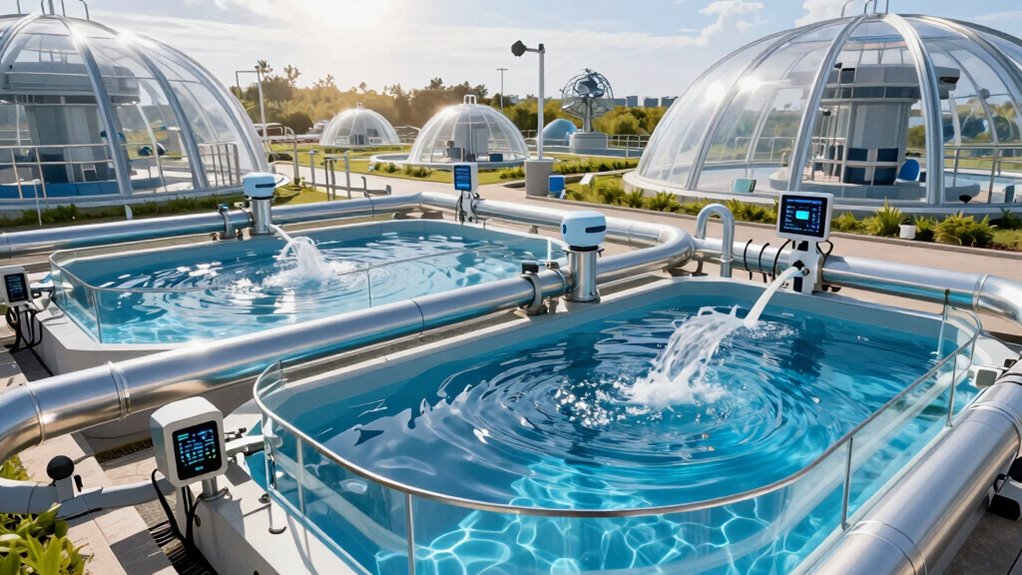
Have you ever wondered how technology is transforming the way we manage and conserve water? It’s happening right now, with innovations that make water treatment more efficient, sustainable, and accessible. One of the most exciting developments is smart filtration. Unlike traditional filtration systems, smart filtration uses sensors and real-time data to optimize water purification processes. As water flows through these advanced filters, they constantly monitor contaminants, adjusting their operation to remove impurities more effectively while conserving energy and resources. This means less waste, lower costs, and cleaner water for communities and industries alike. You can imagine how this technology benefits areas facing water scarcity or pollution, providing a way to treat water with precision and minimal environmental impact.
Alongside smart filtration, desalination advancements are revolutionizing how we access freshwater. Historically, desalination has been energy-intensive and expensive, limiting its widespread use. However, recent breakthroughs have drastically improved the efficiency of desalination plants. New membrane technologies and energy recovery systems reduce power consumption, making the process more sustainable. These innovations allow seawater to be converted into potable water more quickly and affordably, opening up new possibilities for arid regions and coastal cities. You might see desalination plants becoming more commonplace, helping to alleviate water shortages that once seemed insurmountable. Furthermore, integration with renewable energy sources, like solar and wind, further enhances the sustainability of these systems, reducing reliance on fossil fuels and lowering carbon footprints. As these technological advancements continue, they exemplify how digital concepts are driving transformative change in water management. Additionally, advancements in sensor technology are enabling more precise monitoring and control of water systems, leading to smarter, more adaptive infrastructure. These innovations in water tech are crucial for building resilient water systems in the face of climate change and increasing demand. Incorporating water conservation strategies can further enhance the efficiency and sustainability of water resources. Moreover, understanding the importance of water quality standards ensures that these innovations are implemented safely and effectively to protect public health.
These technological advances aren’t just about improving existing systems—they’re about fundamentally changing how we approach water management. You benefit from smarter solutions that ensure water is used more efficiently, waste is minimized, and supply chains become more resilient. For example, smart filtration can be integrated into household systems, allowing you to have cleaner tap water while reducing the need for bottled water and plastic waste. Meanwhile, desalination advancements promise a future where even the most water-stressed regions can access safe, reliable water sources without harming the environment. As these innovations continue to evolve, they pave the way for a more sustainable and equitable water future, where technology plays a central role in solving some of the world’s most pressing water challenges.

Waterdrop G3P600 Reverse Osmosis System, 600 GPD Tankless RO Water Filter
[Trusted certifications]: Waterdrop G3P600 reverse osmosis system is certified against NSF/ANSI 58 for TDS reduction and NSF/ANSI 372…
As an affiliate, we earn on qualifying purchases.
As an affiliate, we earn on qualifying purchases.
Frequently Asked Questions
What Are the Biggest Challenges in Implementing Water Tech Solutions Globally?
You’ll face big challenges when implementing water tech solutions globally. Ensuring water quality is a top concern, as new technologies must meet strict standards. Infrastructure upgrades are often costly and complex, especially in developing regions. Additionally, you must navigate regulatory differences, secure funding, and gain local community support. Overcoming these hurdles requires collaboration, innovation, and long-term commitment to make water tech truly effective worldwide.
How Does Water Tech Impact Local Communities and Economies?
You’ll find that water tech boosts local communities and economies considerably, with studies showing up to 40% improvement in community resilience. When communities access clean water efficiently, they experience better health, increased productivity, and job opportunities. This, in turn, fosters economic growth, empowering residents and strengthening local infrastructure. By investing in innovative water solutions, you help create a more sustainable, resilient future that benefits everyone involved.
What Are the Environmental Risks Associated With New Water Tech Innovations?
You should be aware that new water tech innovations can pose environmental risks like chemical contamination, which may seep into water sources and harm wildlife. Additionally, these technologies could cause ecosystem disruption by altering natural water flows or habitats. While they promise benefits, it’s essential to carefully evaluate their potential environmental impacts to prevent long-term damage to ecosystems and maintain water quality.
How Affordable Are Advanced Water Technologies for Developing Countries?
You might feel hopeful seeing advanced water technologies becoming more affordable for developing countries. While some solutions remain costly, many organizations focus on creating affordable solutions and improving technology accessibility. This guarantees communities can access clean water without financial strain. Though challenges exist, ongoing innovation and global cooperation drive down costs, making life-changing water tech reachable for more people, fostering health, sustainability, and economic growth.
What Role Do Government Policies Play in Water Tech Development?
Government policies play a vital role in water tech development by providing policy support that encourages innovation. When policies include innovation incentives, they motivate companies and researchers to create new solutions for water management challenges. You’ll find that supportive regulations and funding opportunities foster a thriving environment for water tech advancements, making it easier for developing countries to adopt affordable, effective technologies that address their specific water issues.

Desalination and Membrane Technologies: Federal Research and Adoption Issues
As an affiliate, we earn on qualifying purchases.
As an affiliate, we earn on qualifying purchases.
Conclusion
As you explore the rapidly evolving world of water tech, one thing becomes clear: the innovations happening now could reshape our future in ways we can’t yet fully imagine. With breakthroughs on the horizon, the question isn’t just about what’s next but how these advancements will challenge our current understanding and habits. Stay tuned, because the most exciting developments might still be hidden just beyond the water’s surface, waiting to change everything you thought you knew.

BKLES 3-in-1 Solar Electric Water Filter with Hand Pump – Camping Water Filtration System Survival, Portable Water Purifier with Emergency Light, Survival Kit for Backpacking, Gifts for Father's Day
3-in-1 Innovative Water Filtration System Survival – BK3000 water filter supports electric and hand pump modes as well…
As an affiliate, we earn on qualifying purchases.
As an affiliate, we earn on qualifying purchases.

FreshWater Smart Monitoring Sensor – Smart Water Monitor for Spas & Hot Tubs – Smart Monitoring Sensor for Salt Systems – Sensor with Hourly Water Testing to Help Maintain Clean, Natural-Feeling Water
Soft & Natural-Feeling Water: This FreshWater IQ water monitoring sensor is designed to help you maintain clean, natural-feeling…
As an affiliate, we earn on qualifying purchases.
As an affiliate, we earn on qualifying purchases.