

You decide which mysteries are worth chasing by evaluating their potential to generate meaningful insights and real-world impact. You consider how feasible it is to develop innovative methods and whether the problem is relevant to current societal needs. Funding priorities also play a role, as projects aligned with larger goals are more likely to receive support. If you want to discover how these factors are balanced to make smart choices, stay tuned for more insights.
Key Takeaways
- Researchers assess potential societal impact and real-world benefits of solving the mystery.
- Feasibility and the availability of innovative methodologies influence the decision.
- Alignment with funding priorities and strategic societal goals guides project selection.
- Filling knowledge gaps and fostering interdisciplinary collaboration increase research relevance.
- The likelihood of meaningful discovery and contribution to understanding determine research worthiness.

Deciding which mysteries to pursue isn’t left to chance; researchers carefully evaluate potential insights and real-world impact before diving in. You’re often faced with a vast landscape of unanswered questions, but not every curiosity deserves your time and resources. To make informed choices, you weigh the importance of the mystery against the likelihood of making meaningful progress. This process involves scrutinizing the problem’s novelty, feasibility, and relevance to current scientific or societal needs. It’s not just about what sparks your curiosity but also about what can truly advance understanding or solve pressing issues.
Careful evaluation of potential impact, feasibility, and relevance guides researchers in choosing the most meaningful mysteries to pursue.
Innovative methodologies play an essential role in this decision-making process. When evaluating a mystery, you consider whether new approaches or technologies could provide fresh perspectives or more efficient pathways to answers. For example, adopting advanced data analysis techniques or interdisciplinary collaborations can turn seemingly intractable problems into manageable challenges. These methodologies often influence your confidence in tackling complex questions, helping you determine if the pursuit is worth the effort. They also align with the broader goal of pushing the boundaries of existing knowledge, making your research more impactful.
Funding priorities greatly shape your choices as well. You recognize that resources are limited, and funding agencies tend to prioritize projects with clear potential for societal benefits or scientific breakthroughs. If a mystery aligns with these priorities, you’re more likely to secure the necessary support. You may also consider how your research fits into larger strategic agendas, such as addressing climate change, health crises, or technological innovation. When your mystery resonates with funding bodies’ goals, it increases the chances of sustained support, enabling you to carry out more extensive investigations.
Furthermore, you assess the collaborative landscape and existing knowledge gaps. If your mystery complements ongoing research or fills an essential gap, it becomes more attractive. You’re aware that breakthroughs often happen at the intersection of disciplines or through collective effort, so you weigh the potential for collaboration and shared insights. This strategic approach ensures that your pursuit is not isolated but integrated into a broader scientific or societal context.
Ultimately, your decision hinges on a balance: the promise of discovery, the feasibility of using innovative methodologies, alignment with funding priorities, and the potential for real-world impact. By carefully evaluating these factors, you choose mysteries that are most likely to lead to meaningful advancements, maximizing your efforts and resources to solve the questions that truly matter.

SQL for Data Analysis: Advanced Techniques for Transforming Data into Insights
As an affiliate, we earn on qualifying purchases.
As an affiliate, we earn on qualifying purchases.
Frequently Asked Questions
How Do Funding Sources Influence Mystery Selection?
Funding sources influence your mystery selection through funding incentives and political pressures. You’re more likely to pursue projects that align with funders’ interests or priorities, as they provide the necessary resources. Political pressures can also steer your focus toward issues that serve specific agendas, limiting exploration of less popular or controversial topics. Ultimately, external funding shapes your research landscape, guiding which mysteries you find worthwhile and feasible to investigate.
What Role Does Intuition Play in Choosing Research Mysteries?
You trust your intuition like a psychic at a carnival, letting creative instincts guide you through the maze of mysteries. When faced with tough choices, intuitive judgment offers a spark of insight, nudging you toward questions that feel right deep down. Sometimes, it’s like following a breadcrumb trail only you can see—your gut feeling becomes the secret map, turning curiosity into compelling research pursuits.
How Do Personal Biases Affect Research Curiosity?
Your personal biases, like preconceived notions and confirmation bias, can influence your research curiosity by steering you toward familiar or expected ideas. You might overlook intriguing mysteries that challenge your beliefs or favor questions that confirm what you already think. This bias can limit your exploration, making you miss out on novel discoveries. Being aware of these tendencies helps you stay open-minded, ensuring your curiosity remains genuine and unbiased.
Can Collaboration Impact Mystery Prioritization?
Collaboration can profoundly influence mystery prioritization, as working with diverse teams brings new perspectives and ideas. When you embrace interdisciplinary approaches and engage with the community, you’re better equipped to identify which mysteries truly matter. This teamwork helps avoid chasing red herrings, ensuring resources go toward impactful research. By pooling expertise and insights, you can prioritize mysteries more effectively and make meaningful progress together.
How Quickly Do Researchers Change Their Focus?
You notice that researchers change their focus quite quickly, especially when innovative frameworks and new research methodologies emerge. They stay adaptable, shifting priorities to explore promising mysteries as fresh tools and ideas develop. This flexibility allows them to pursue the most compelling questions efficiently, often re-evaluating their focus within months or even weeks. Such dynamic adjustments help guarantee their efforts remain relevant and impactful in the ever-evolving landscape of discovery.

Creativity, Intelligence, and Collaboration in 21st Century Education: An Interdisciplinary Challenge
As an affiliate, we earn on qualifying purchases.
As an affiliate, we earn on qualifying purchases.
Conclusion
As you stand at the edge of the unknown, it’s your curiosity that lights the way—like a flickering lantern guiding you through the shadows of mystery. You weigh the promise of discovery against the weight of effort, knowing some secrets are worth chasing with relentless passion. In this dance between doubt and hope, your decisions shape the map of what humanity will finally understand, turning fleeting sparks of wonder into lasting illumination.
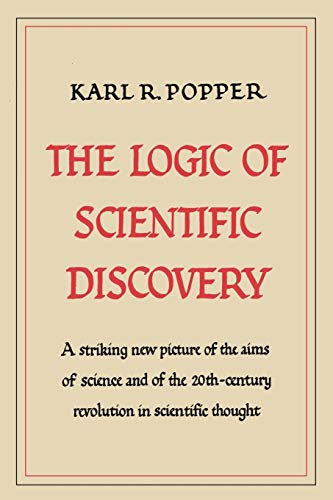
The Logic of Scientific Discovery
As an affiliate, we earn on qualifying purchases.
As an affiliate, we earn on qualifying purchases.

Proposal Writing: Effective Grantsmanship for Funding (SAGE Sourcebooks for the Human Services)
As an affiliate, we earn on qualifying purchases.
As an affiliate, we earn on qualifying purchases.