Insect protein is revolutionizing sustainable feed and food by offering a nutrient-packed alternative that requires far less land, water, and feed than traditional livestock. This eco-friendly farming method not only reduces resource use but also supports global food security. With advancements in insect farming and consumer acceptance growing, you’ll find innovative insect-based products like protein bars and flours. Explore how insect protein is shaping the future of resilient food systems and the benefits it brings.
Key Takeaways
- Insect protein offers a sustainable alternative to traditional livestock, addressing global food security concerns with efficient production methods.
- Insects require significantly less land, water, and feed, resulting in a lower environmental impact compared to conventional protein sources.
- Farming practices focus on breeding insects like crickets and mealworms in controlled environments for high-quality, sustainable protein production.
- Research and technological advancements are enhancing the nutritional profiles of insects, making them more appealing for human consumption.
- Insect-based foods are increasingly accepted by consumers, with products like protein bars and flour showcasing their versatility and sustainability.
Insect Protein
Have you ever considered where your protein comes from? It’s an essential part of your diet, but have you thought about the traditional sources versus some innovative alternatives? As the world grapples with food security and sustainability, insect protein is emerging as a game-changer. With advancements in entomology, our understanding of insects as a viable protein source has grown tremendously.
Insects are rich in protein and can be raised using far fewer resources than traditional livestock. You might be surprised to learn that insect farming practices are not just efficient; they’re also environmentally friendly. They require markedly less land, water, and feed compared to cattle or poultry. In fact, studies show that insects convert feed into protein more efficiently than any other livestock. This means you could help reduce your carbon footprint just by diversifying your protein sources.
Insect farming uses fewer resources than traditional livestock, making it a sustainable and efficient protein source for the future.
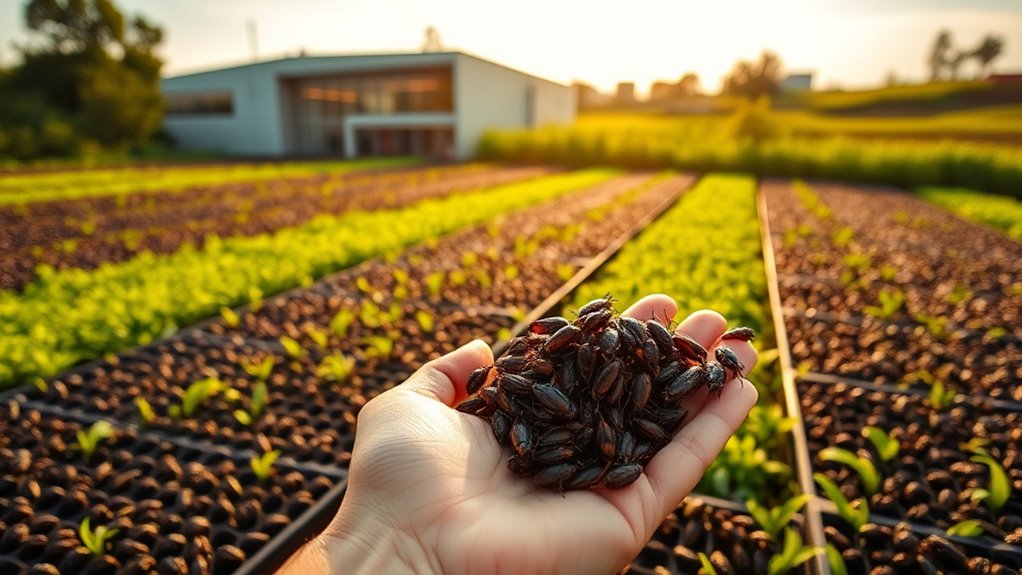
You might wonder how these insects are farmed. Insect farming practices involve breeding and raising insects in controlled environments, ensuring they thrive and produce high-quality protein. Common insects like crickets, mealworms, and black soldier flies are cultivated for human consumption and animal feed. These practices are designed not just for efficiency but also for sustainability. As a result, less waste is produced, and the insects can be fed organic waste, further closing the loop in our food systems.
With entomology advancements, researchers are discovering new ways to utilize these insects. They’re investigating the nutritional profiles of various species, exploring how to enhance their protein content, and developing sustainable farming techniques. You’ll find that these advancements are paving the way for a more sustainable food system, where insects could play a critical role in feeding a growing global population. Additionally, the integration of human-centered methodologies in research and development is crucial for addressing consumer concerns and enhancing acceptance of insect protein.
You may still have questions about taste and texture. Fortunately, many people have already embraced insect protein in their diets. From protein bars to flour made from ground crickets, it’s becoming easier than ever to incorporate this alternative. As you explore food options, consider the benefits of including insect protein. It’s not just a trend; it’s a step towards a more sustainable and resilient food future.
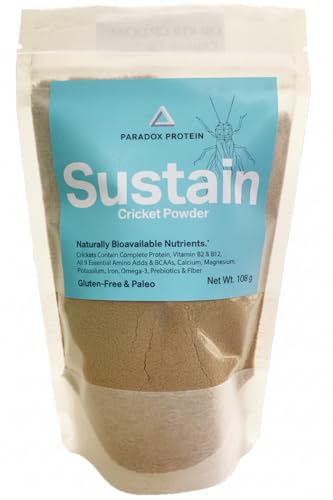
NutriCricket Paradox Protein 1lb Organic Bag Pure Cricket Powder
Non GMO
As an affiliate, we earn on qualifying purchases.
As an affiliate, we earn on qualifying purchases.
Frequently Asked Questions
What Are the Nutritional Benefits of Insect Protein for Humans?
Insect protein offers impressive nutritional value, providing you with essential amino acids, vitamins, and minerals. It’s rich in protein, often surpassing traditional sources, and contains healthy fats beneficial for your heart. You’ll also find it has a lower environmental impact compared to conventional livestock, making it a sustainable choice. Including insect protein in your diet can enhance your overall health, boosting energy levels and supporting muscle growth while keeping your meals exciting and diverse.
How Are Insects Farmed for Protein Production?
Farming insects for protein production is like nurturing a garden; it requires care and knowledge. You’ll start by selecting suitable insect species, then implement efficient insect farming techniques, such as controlled environments and proper feed. It’s vital to follow regulations and guarantee safety standards to prevent contamination. Regular monitoring of growth and health is essential, so you can harvest protein-rich insects safely and sustainably, ultimately contributing to a more eco-friendly food system.
Are There Any Allergens Associated With Insect Protein?
Yes, there are allergen risks associated with insect protein. If you’ve got shellfish allergies, you might need to be cautious, as cross reactivity concerns can arise. Insects like crickets and mealworms share similar proteins with shellfish, potentially triggering allergic reactions in sensitive individuals. Always consult with a healthcare professional before introducing insect protein into your diet, especially if you have known allergies, to guarantee it’s safe for you.
What Is the Environmental Impact of Insect Farming?
Insect farming’s like a green symphony, harmonizing waste reduction and biodiversity preservation. By converting organic waste into protein, you help minimize landfill burdens and lower greenhouse gas emissions. This efficient protein source requires considerably less land, water, and feed compared to traditional livestock. Plus, it encourages diverse ecosystems by supporting the breeding of various insect species. Embracing this practice means you’re playing an essential role in nurturing our planet’s health and sustainability.
How Does Insect Protein Compare to Traditional Protein Sources?
Insect protein’s nutritional profile often surpasses traditional sources, offering higher protein content and essential amino acids. Compared to beef or chicken, it requires less land, water, and feed, making it a more sustainable option. With advancements in insect farming technologies, you can access clean, safe, and efficient alternative protein sources that minimize environmental impact. By choosing insect protein, you’re not just nourishing yourself, but also supporting a more sustainable food system.

Don Bugito Planet-Friendly Edible Insect Protein Snacks (Chili-Lime Crickets)
Don Bugito, the Prehispanic Snackeria, is a San Francisco based company focused on planet-friendly protein snacks, featuring delicious…
As an affiliate, we earn on qualifying purchases.
As an affiliate, we earn on qualifying purchases.
Conclusion
Insect protein is truly revolutionizing the way we think about sustainable food and feed. Did you know that insects convert feed into protein with an efficiency of up to 90%? That’s markedly better than traditional livestock! By incorporating insect protein into our diets and animal feeds, we can reduce our environmental footprint and promote a more sustainable future. Embracing this innovative protein source isn’t just smart; it’s essential for a healthier planet.

Kaytee Wild Bird Food Mealworms For Bluebirds, Wrens, Robins, Chickadees, Woodpeckers, Cardinals & Chickens, 17.6 Ounce
Kaytee Mealworms are an excellent, high-protein food source for many wild birds. They are a high-energy treat that…
As an affiliate, we earn on qualifying purchases.
As an affiliate, we earn on qualifying purchases.

Mealworm Farming for Feed and Food: Simple Systems for High Yields, Sustainable Protein and Low-Input Production
As an affiliate, we earn on qualifying purchases.
As an affiliate, we earn on qualifying purchases.